
01
Zach Moroney
Graphic designer / Illustrator & VFX Generalist
I'm a graphic designer, illustrator, and VFX generalist who works across still, animated, and rendered media, often on the same project.
My process usually starts with a sketch or a design concept, then moves into full production: refining it as illustration, structuring it as design, or pushing it into VFX to give it motion, light, and depth.
The disciplines feed each other, thinking like an illustrator allows my VFX more expressive, and visualising a piece like a compositor makes my illustrations feel dimensional.
- Illustration — character design, concept art, editorial work
- Design — identity, layout, motion graphics
- VFX — compositing, 3D modelling, look development
Tools — Photoshop, Illustrator, Premiere, Affinity Designer, After Effects, Blender & Nuke.
02
Short Film — Nightshift
An exercise in editing.
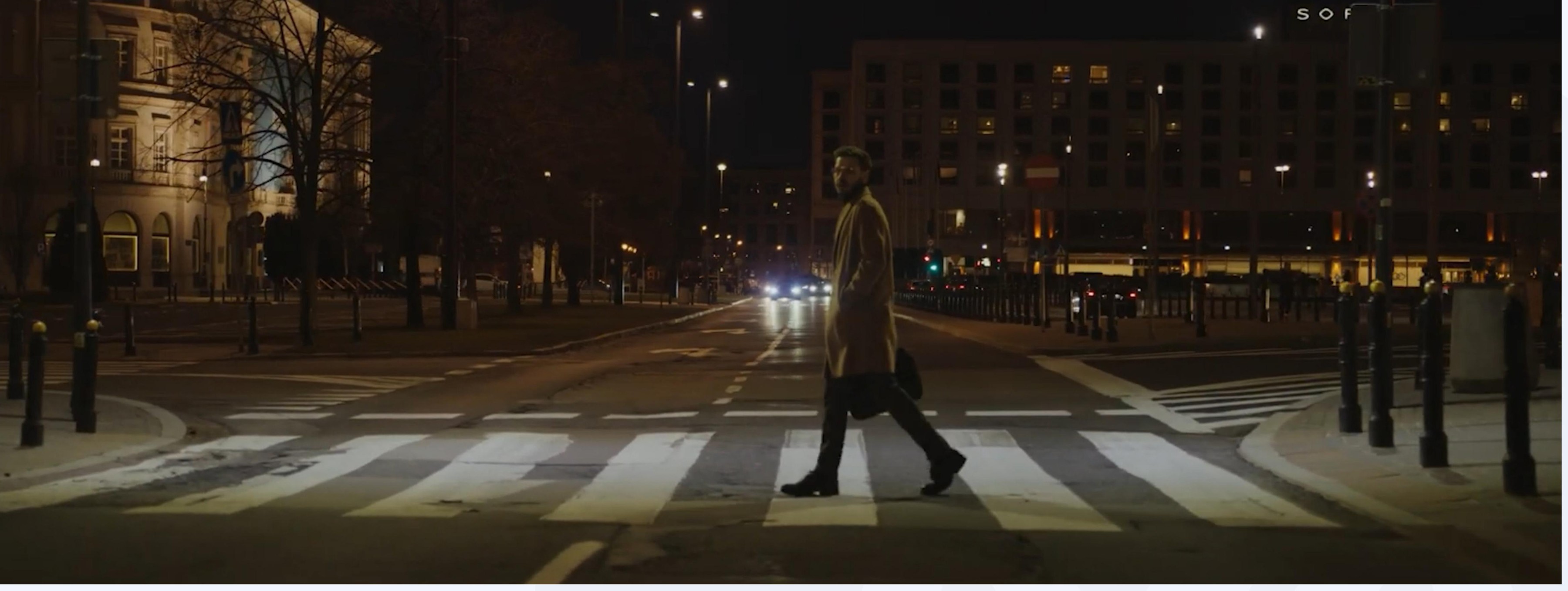
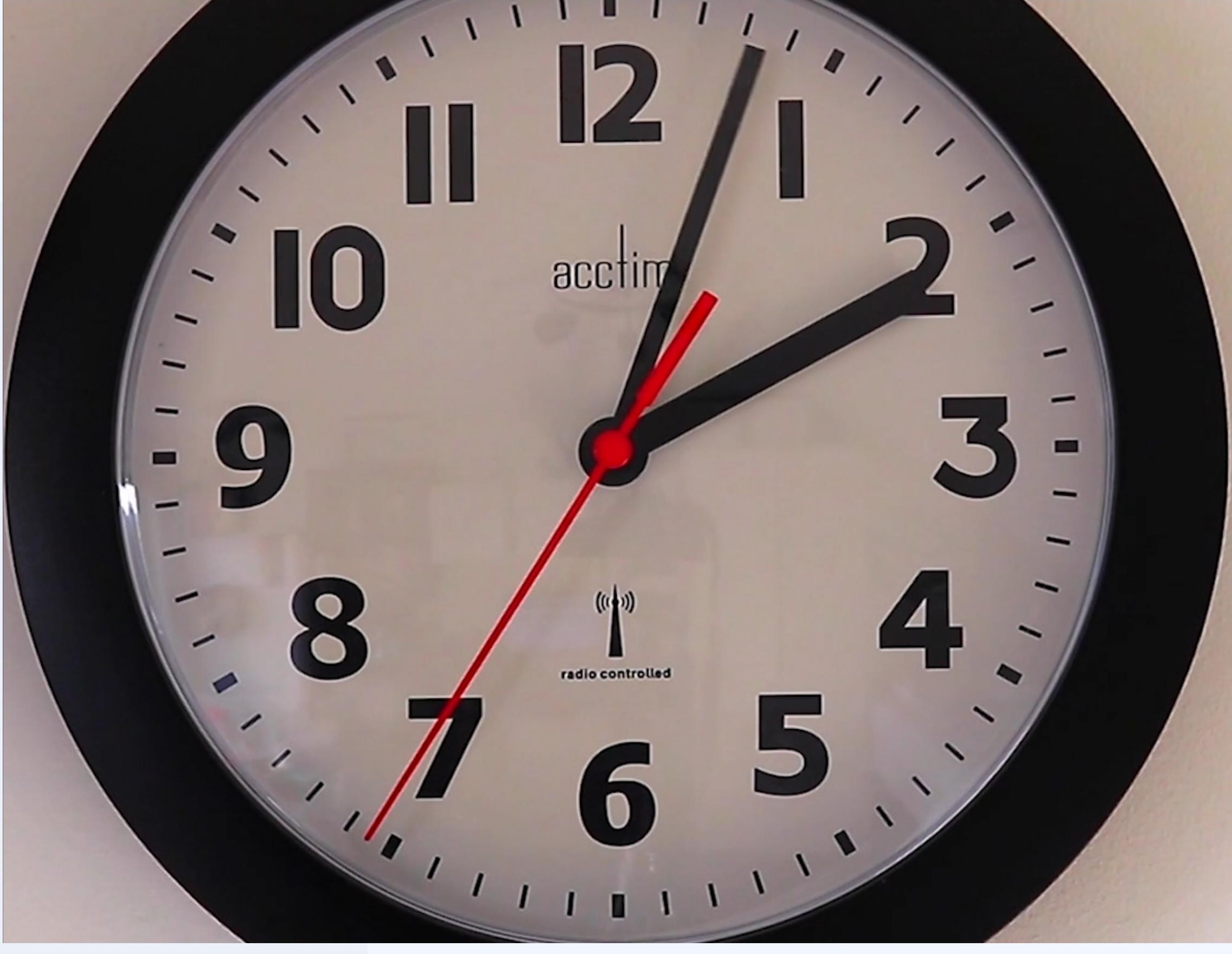
Created as part of a college assignment, for this piece I was tasked with using found footage to create a cohesive narrative with the end result being a short film.
The initial idea for the film came from talking with a fellow student, he had been working on night shifts over the summer and felt that hours seemed to blend, with his sense of time being distorted.
Using this as a jumping off point, I wrote a short script about a worker in a similar situation and then I began to gather free footage found online. After cutting out anything that didn't match my narrative I finally edited the footage together and recorded the voice over.
03
Short Animation — Iora Rua
A study in composition, rigging and animation.
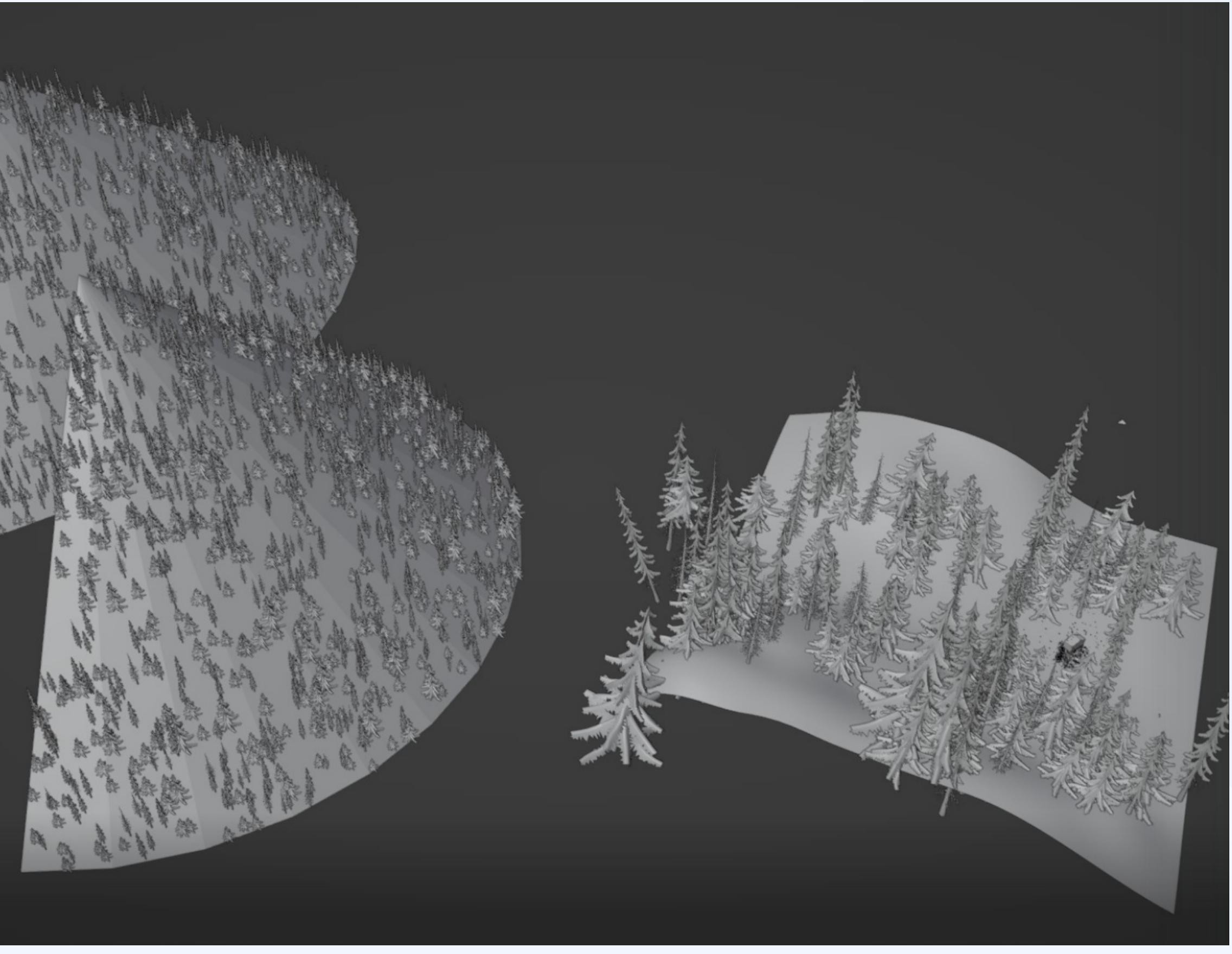
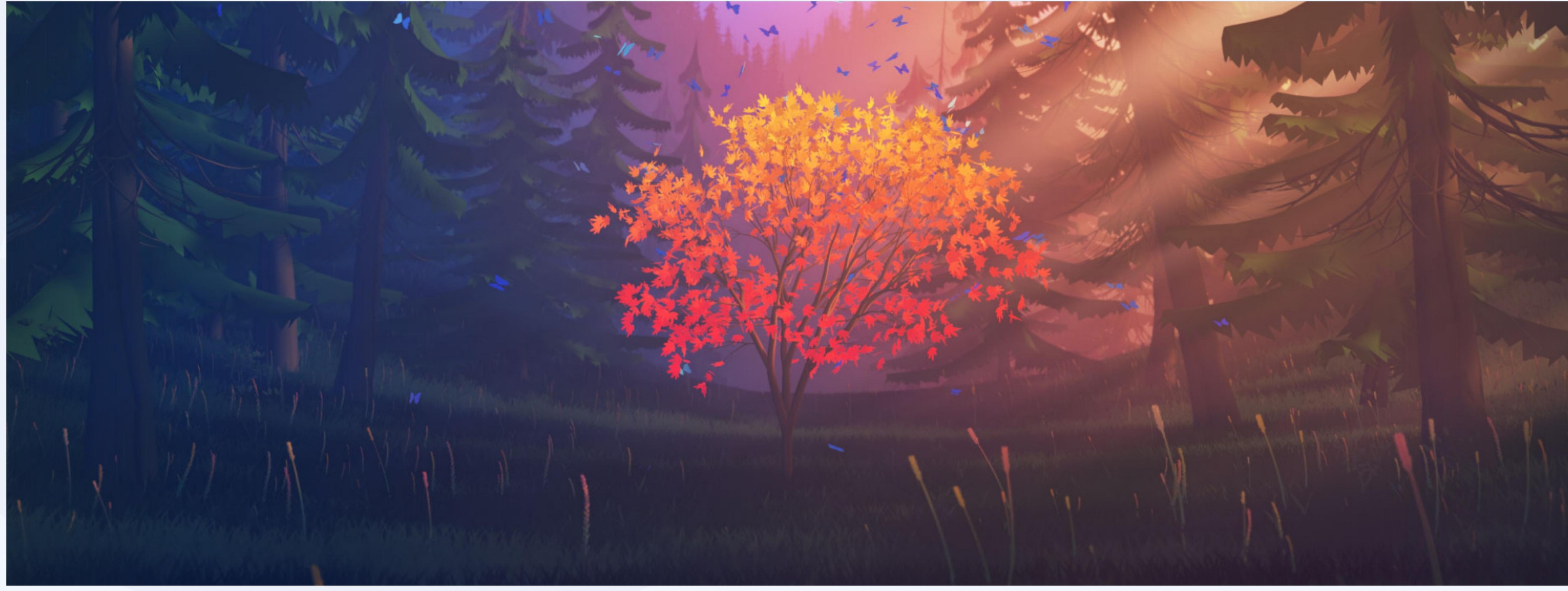
Iora Rua was a personal project I started with a focus on experimenting with low-poly environments that could be used to give the appearance of a modern high end animation. I first created a selection of objects for use in the scene using a mix of hand designed and procedurally generated elements.
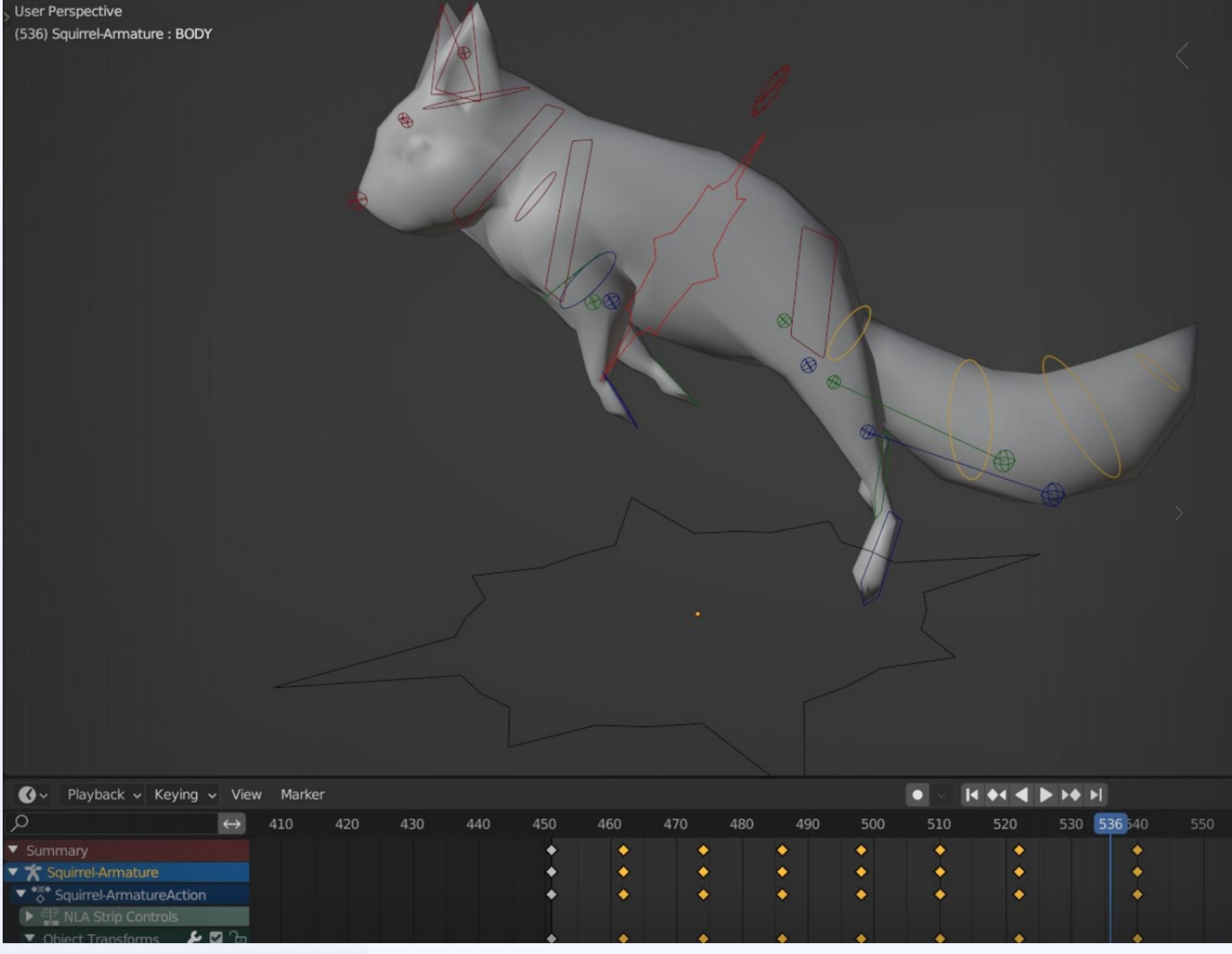
Next, I concentrated on establishing a pleasing composition for the scene, an open glade with a "hero" element, the maple tree. For an extra pop of colour, I added a swarm of butterflies with a basic flight animation. With this all done I realised the scene needed something extra so I brought in a separate project I had been working on, a fully rigged squirrel, and animated it jumping across the glade.
04
Film Trailer — Terminator 2
The classic genre switch up.
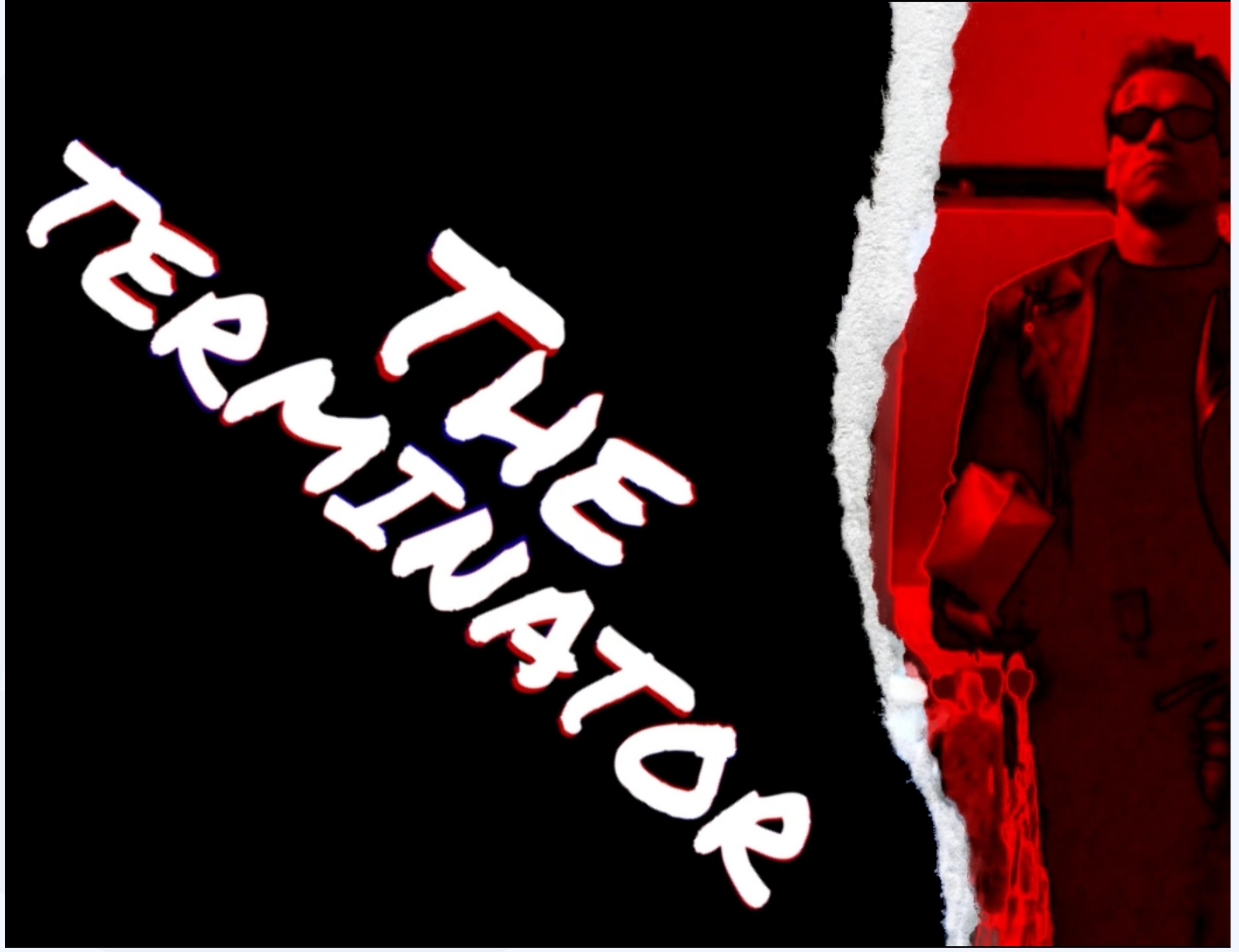
Another project taken on for college, my task was to take a film and create a new trailer that would shift the film's genre. I chose to take Terminator 2 and make it a 70s style buddy comedy / team up film.
Many of the elements of that genre were already present in the film, taking them and other plot central clips I re-edited them with a new script and voice over. Using After Effects I added some cheesy 70s style visual effects which, when combined with an equally cheesy soundtrack and voice over, created a satisfying result.
05
Photography
Symmetry, Geometry & Portraiture
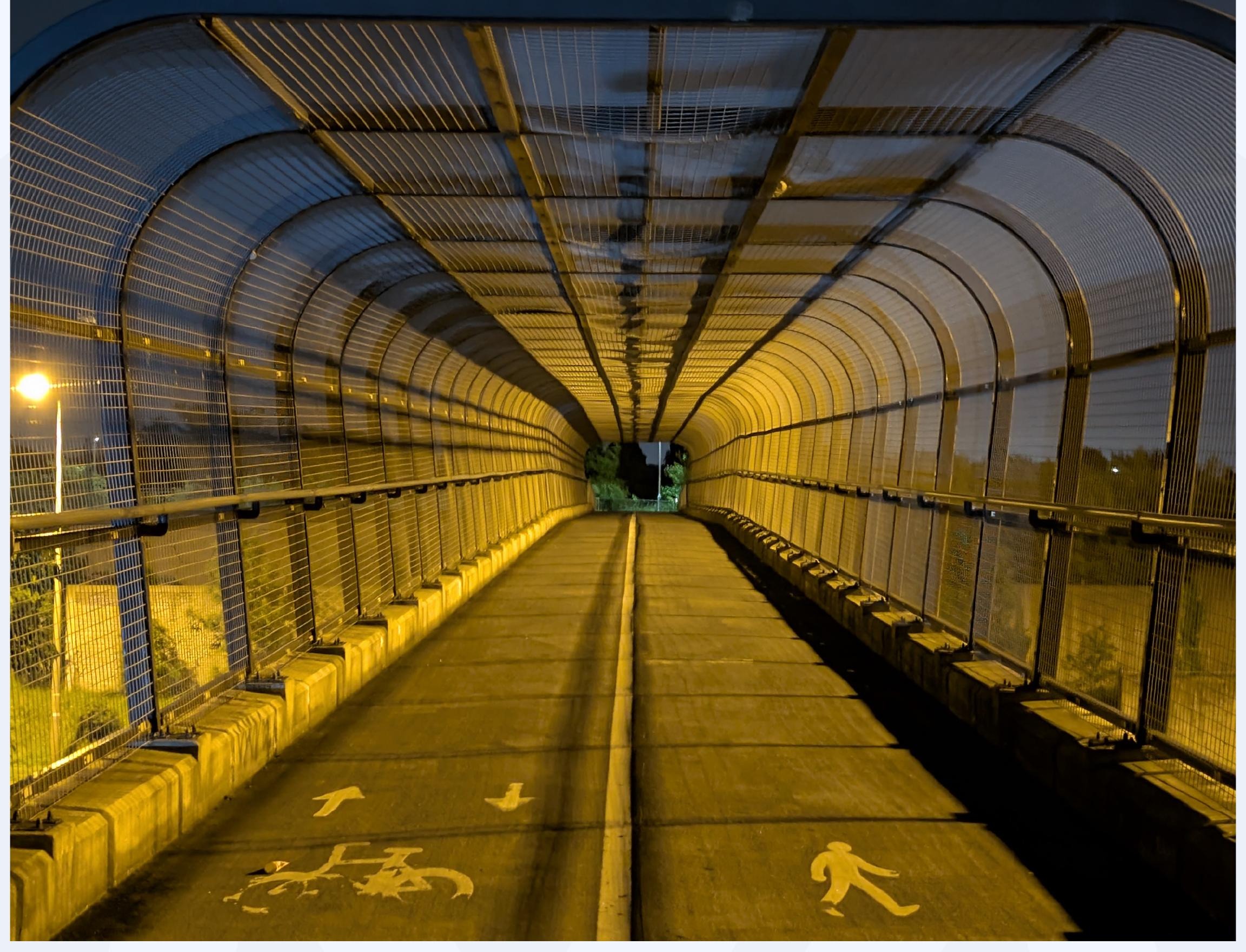
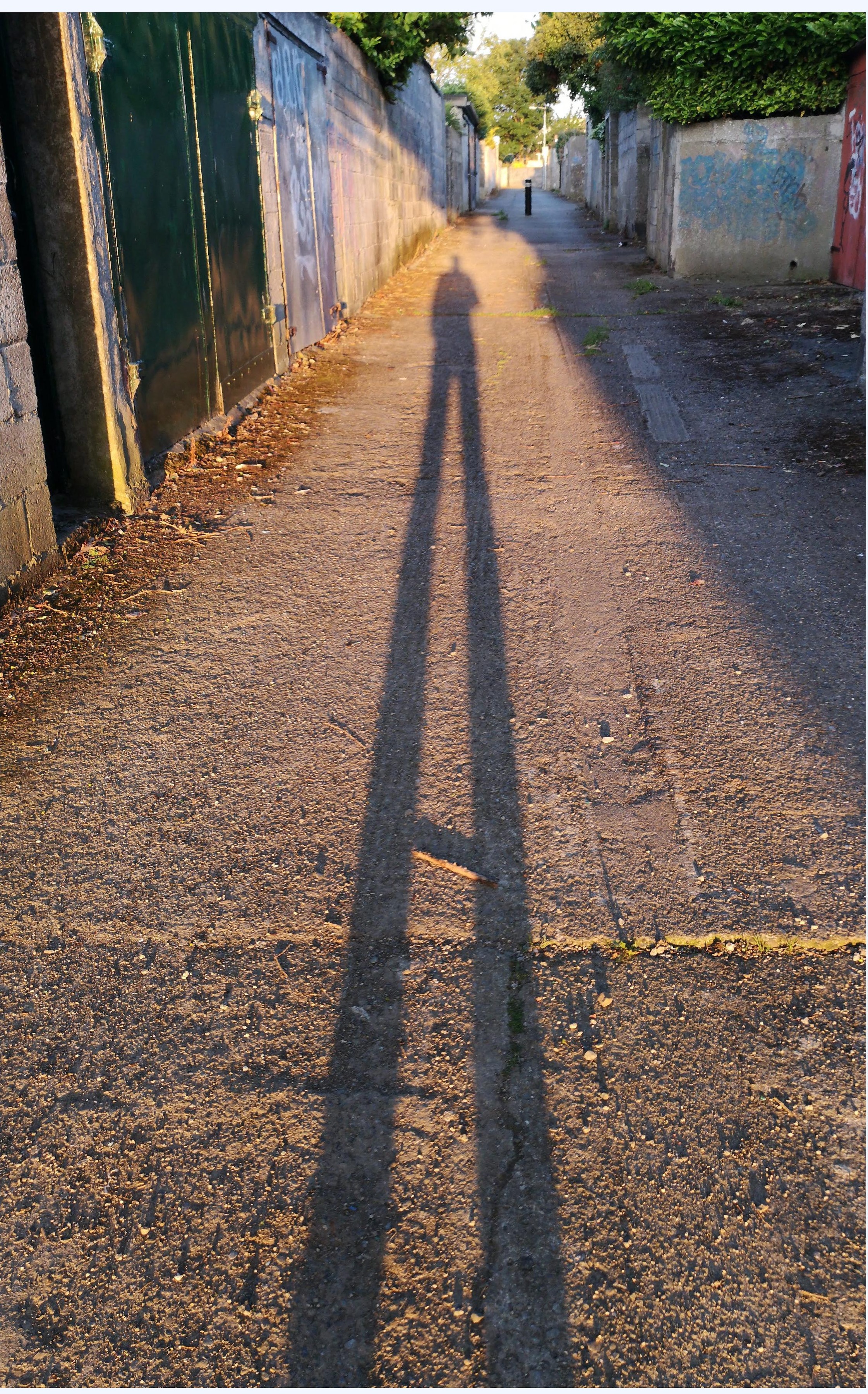
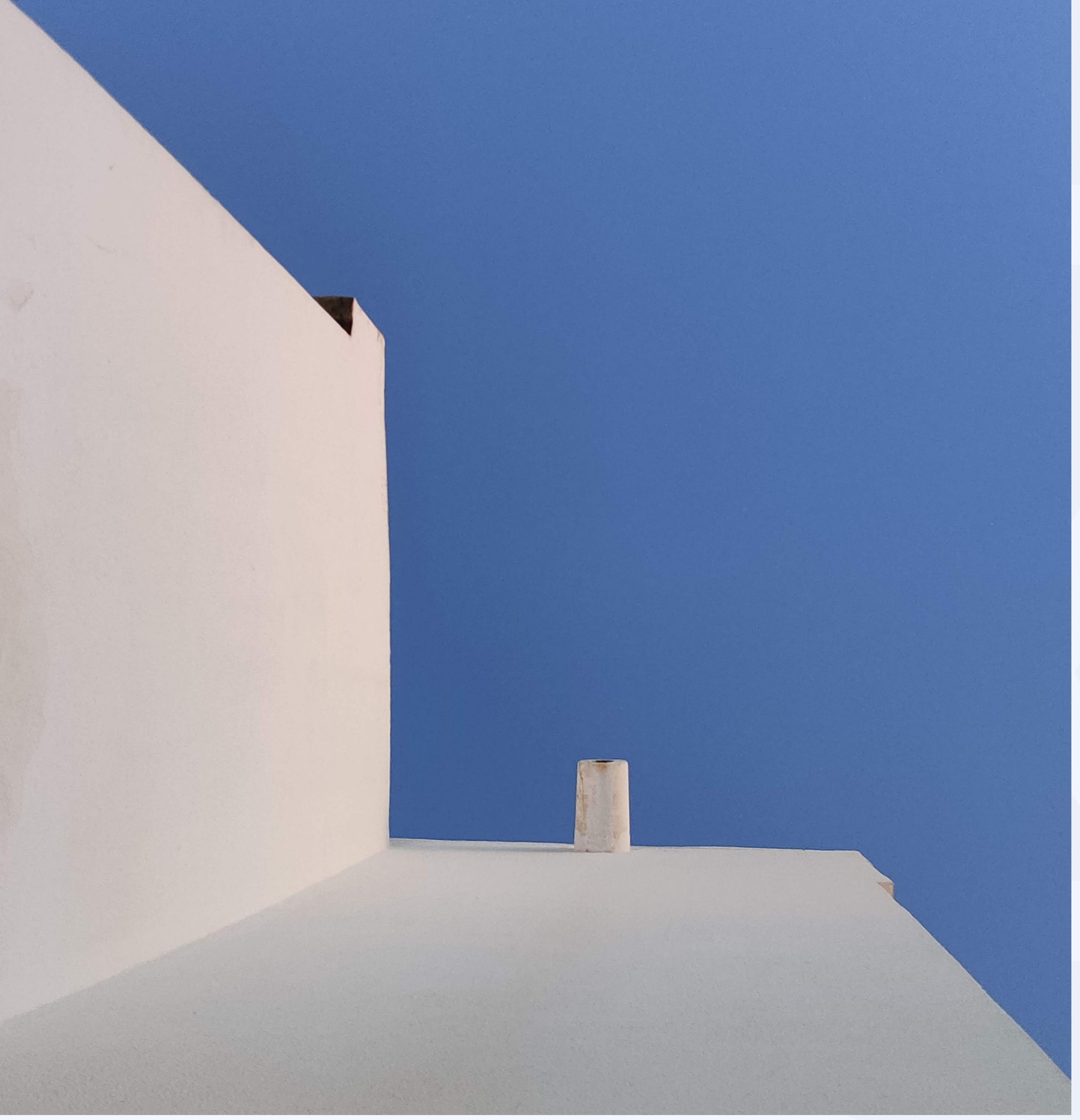
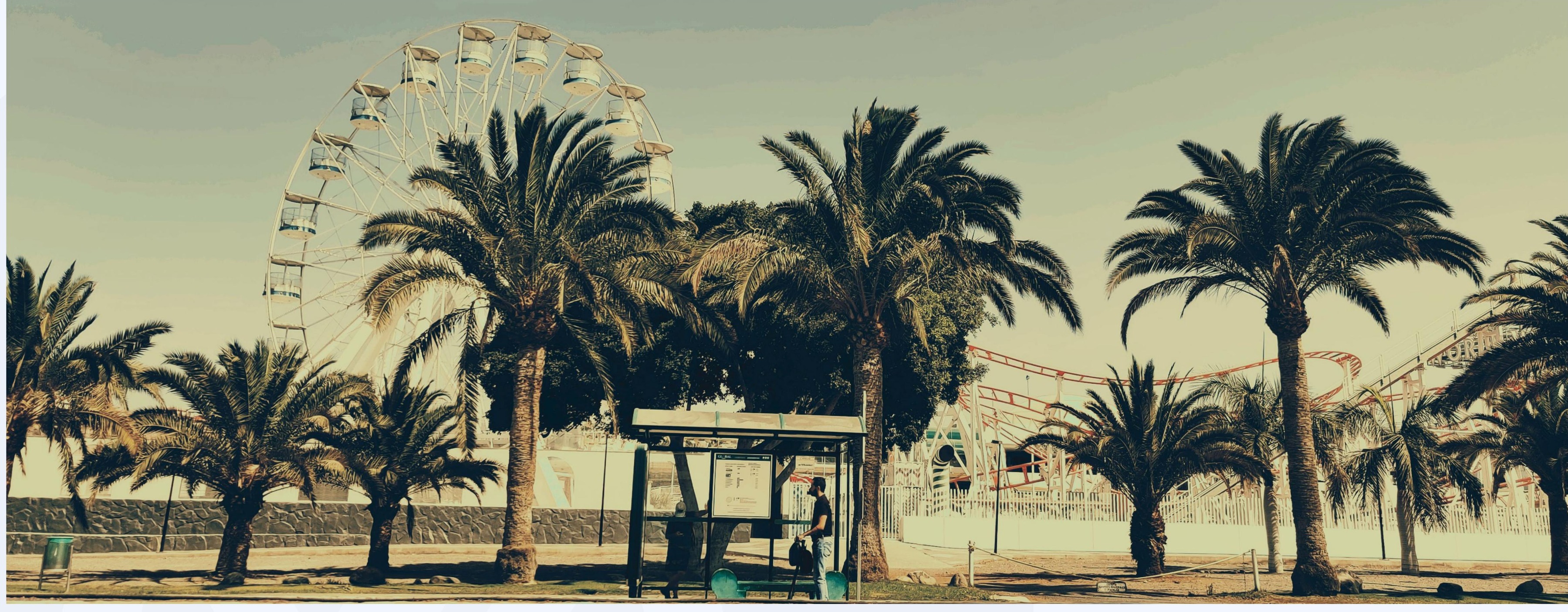
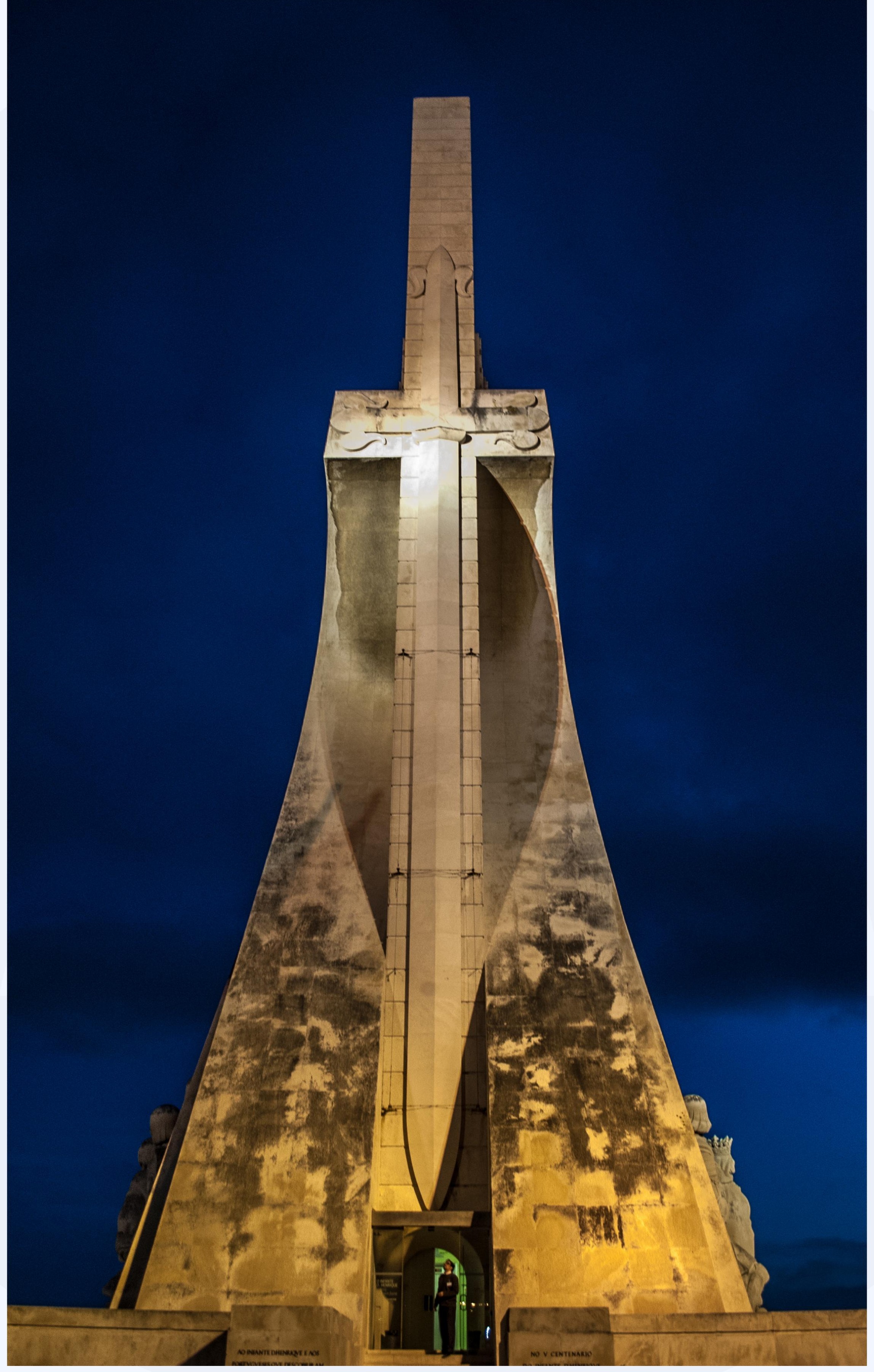
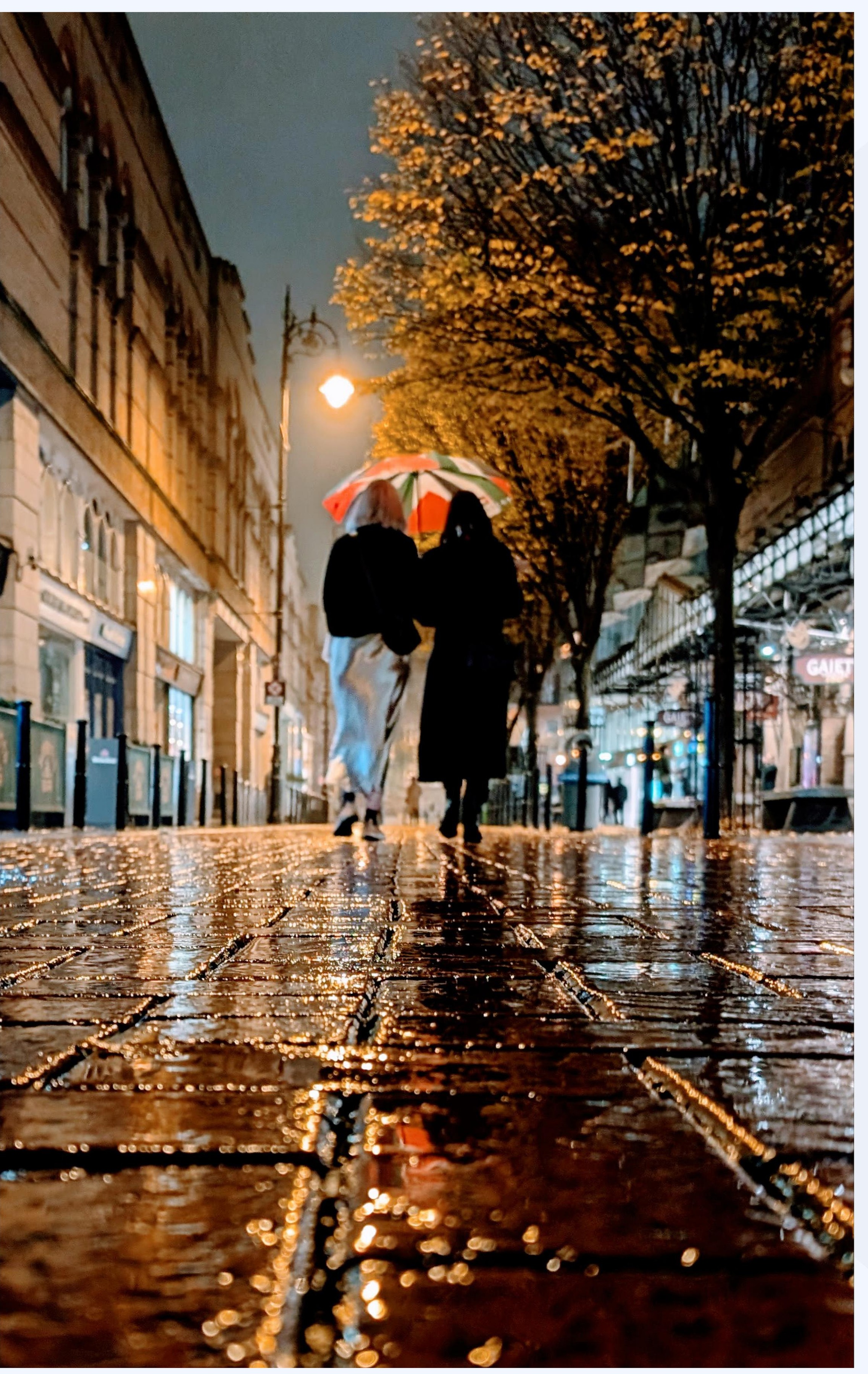
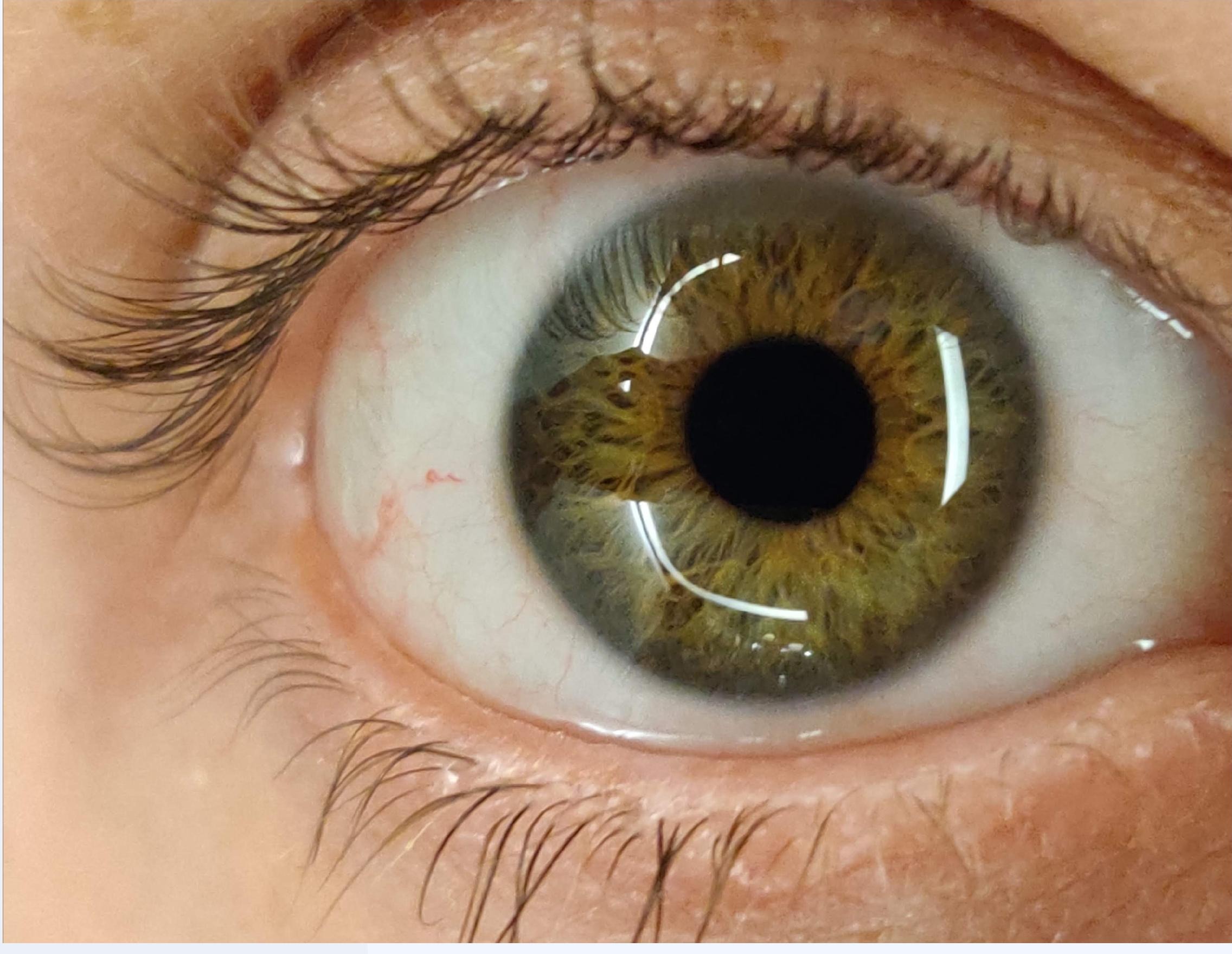
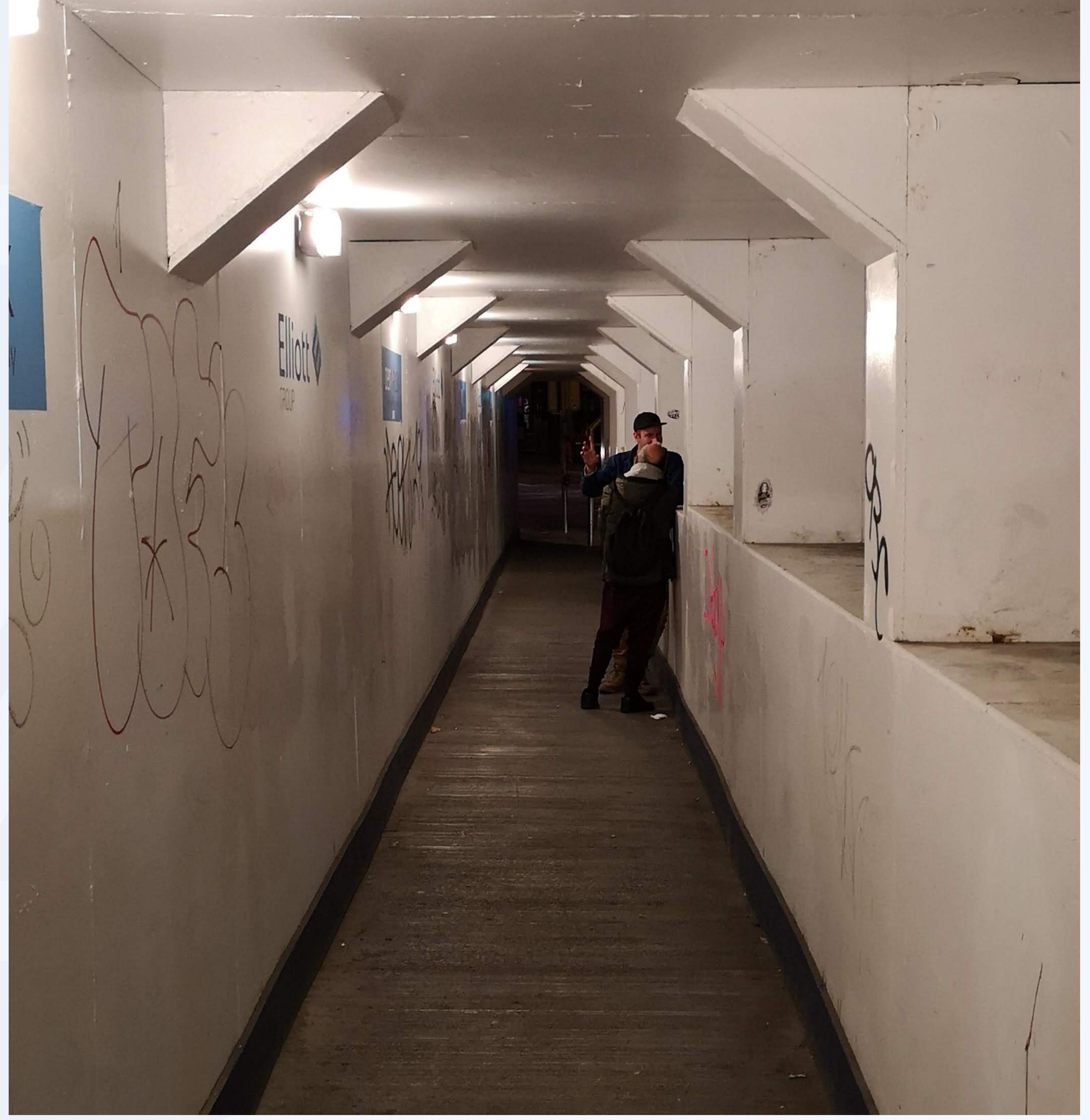
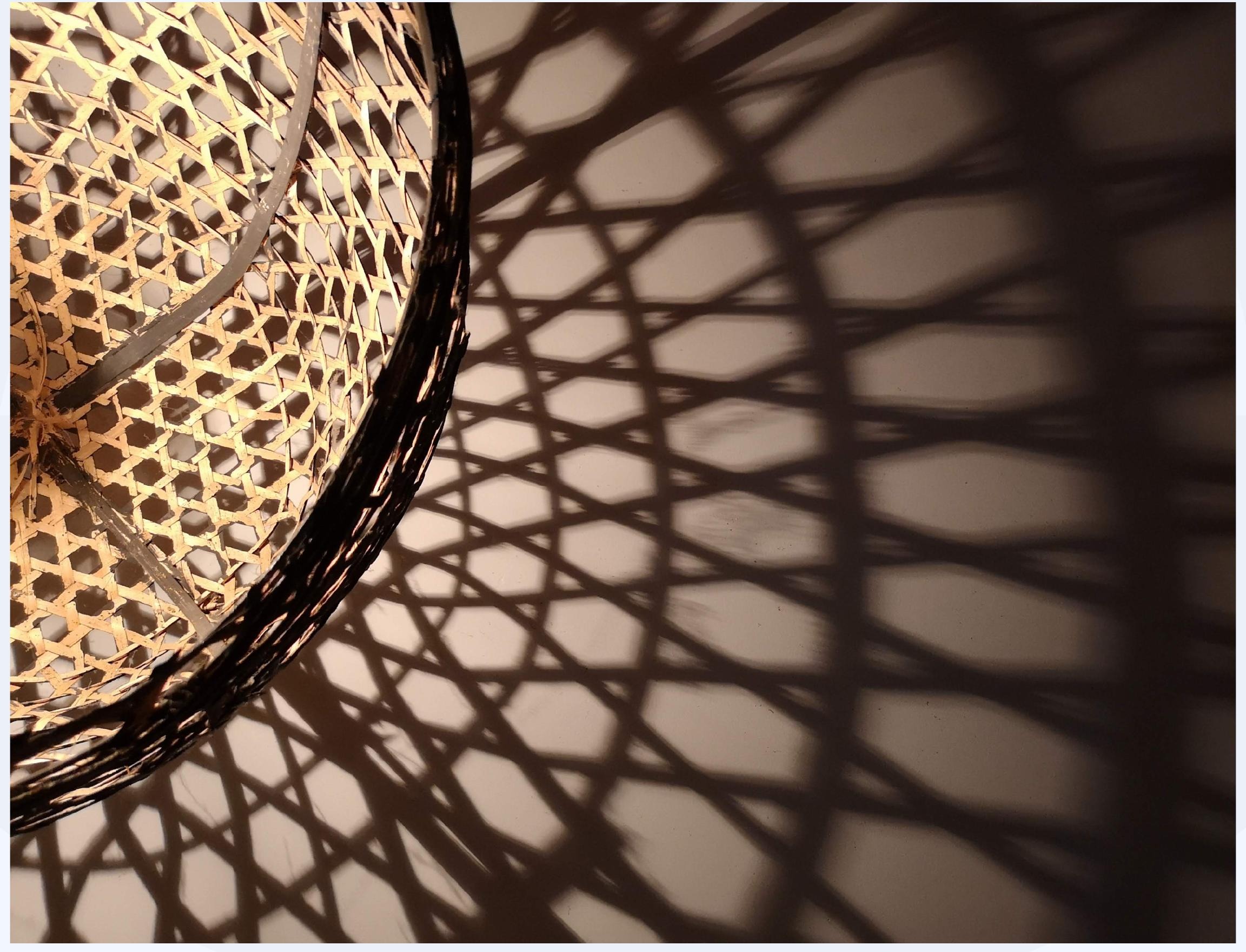
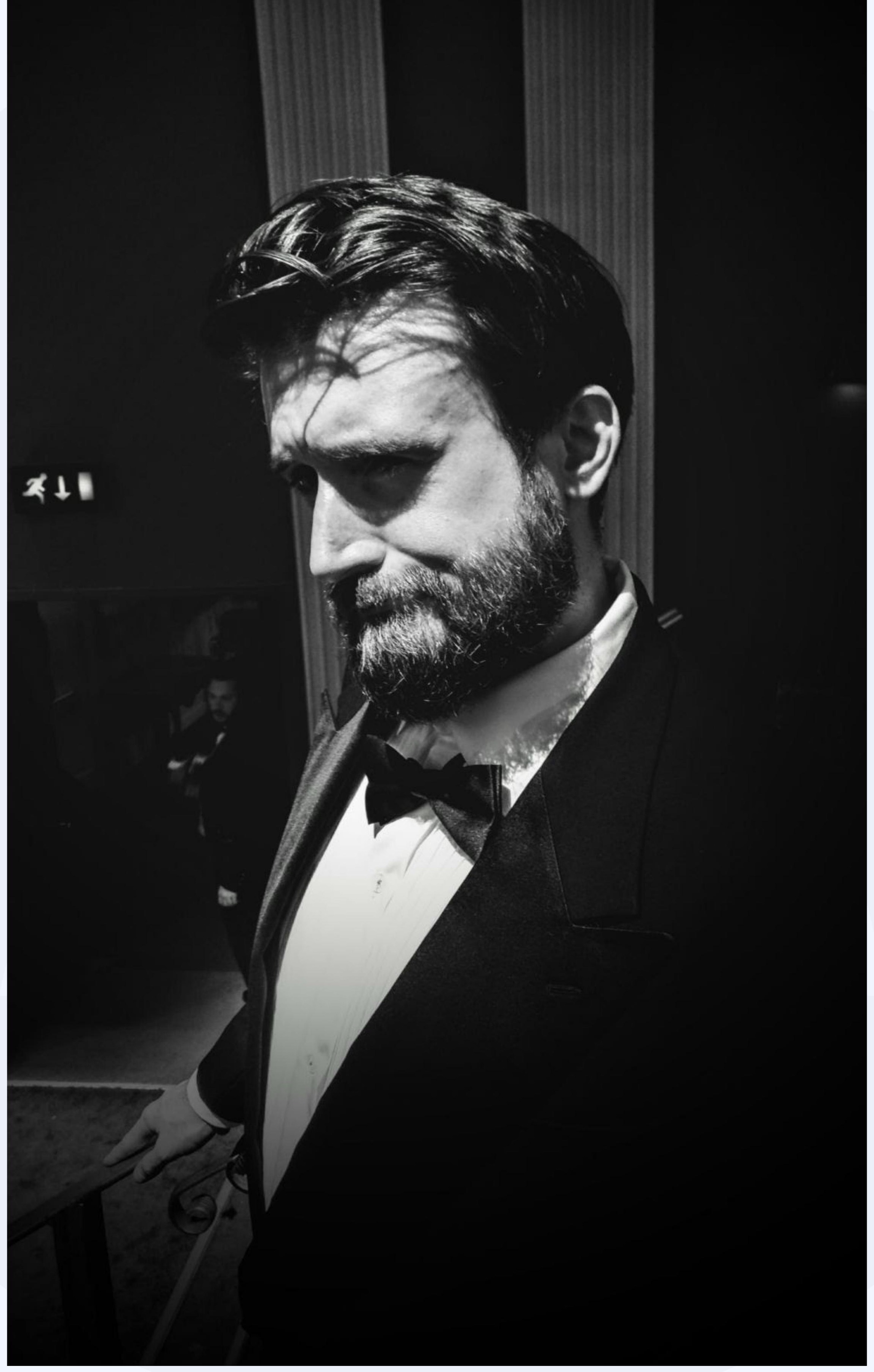
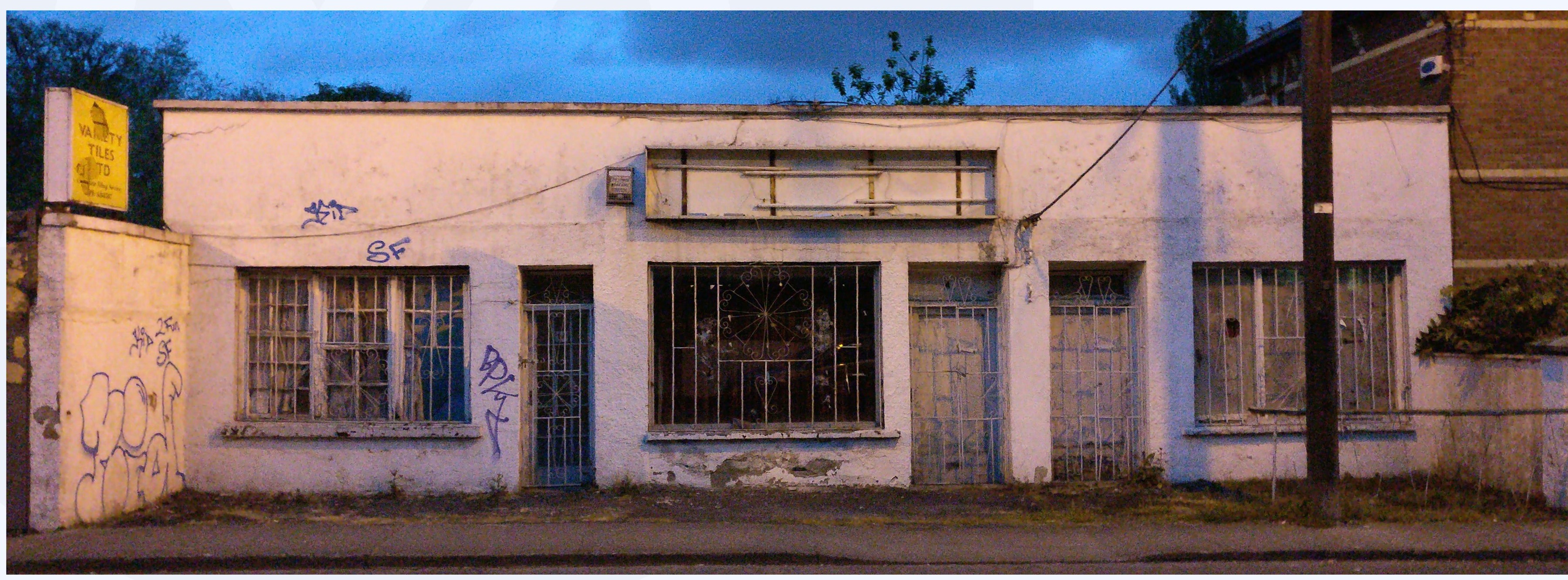
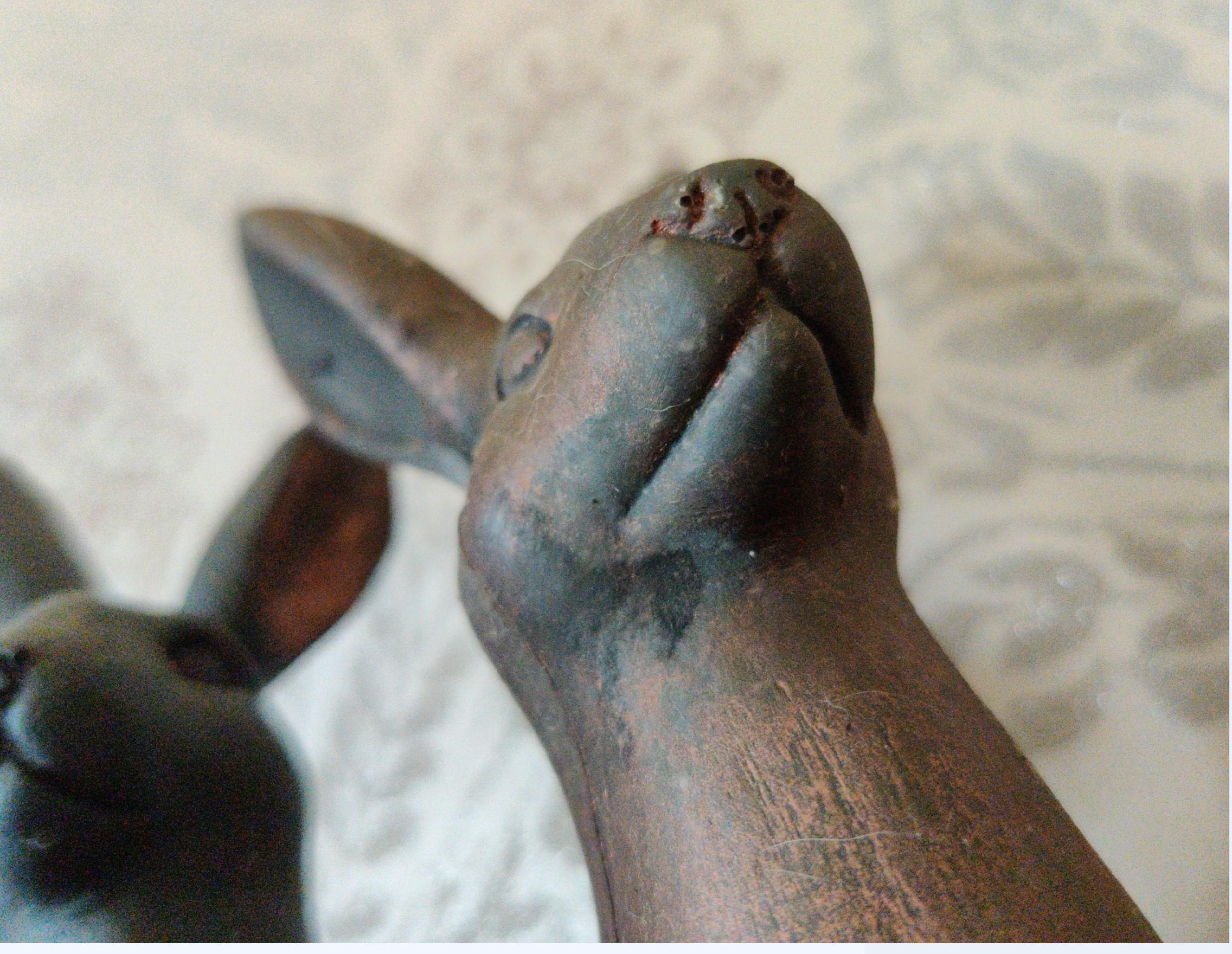
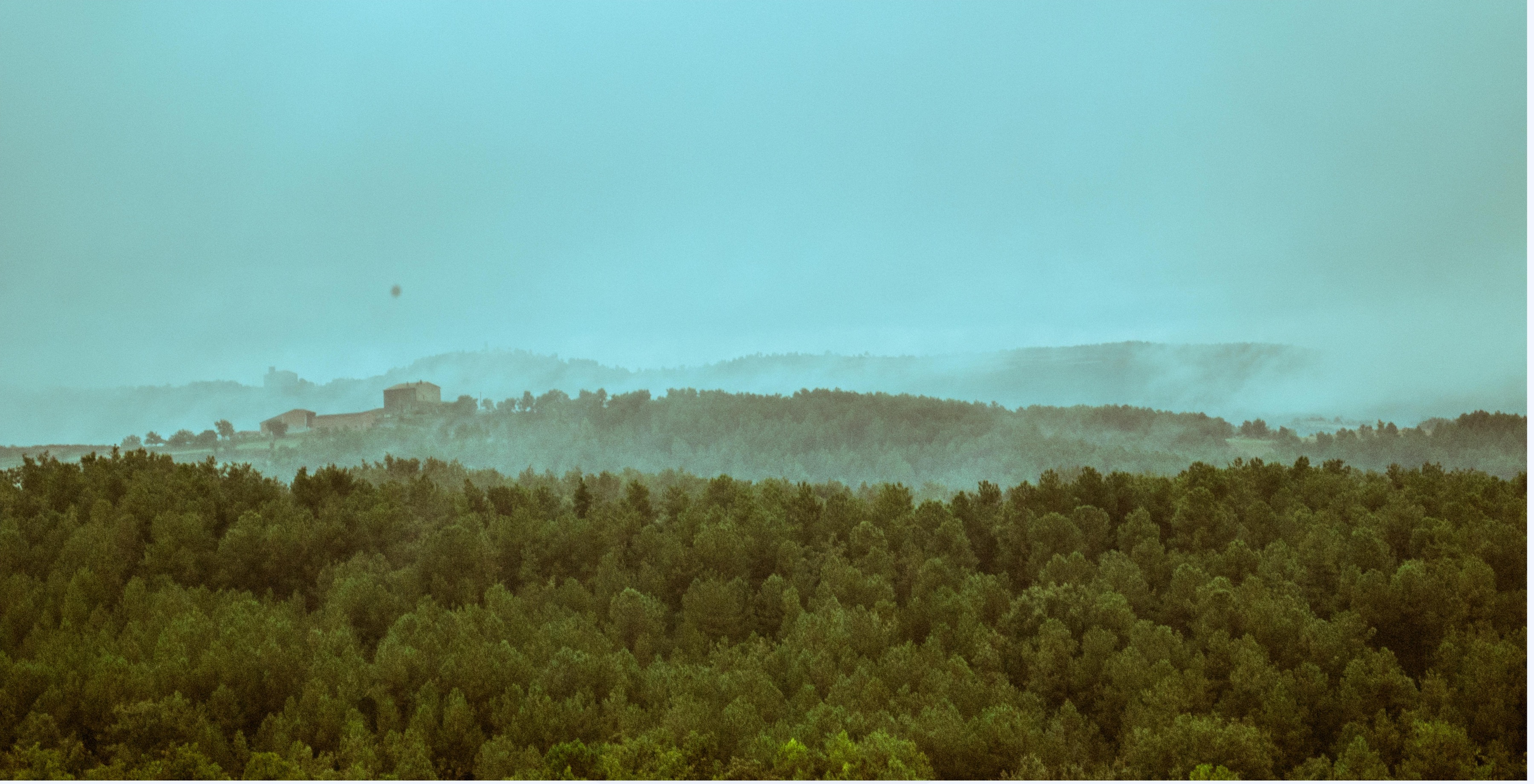
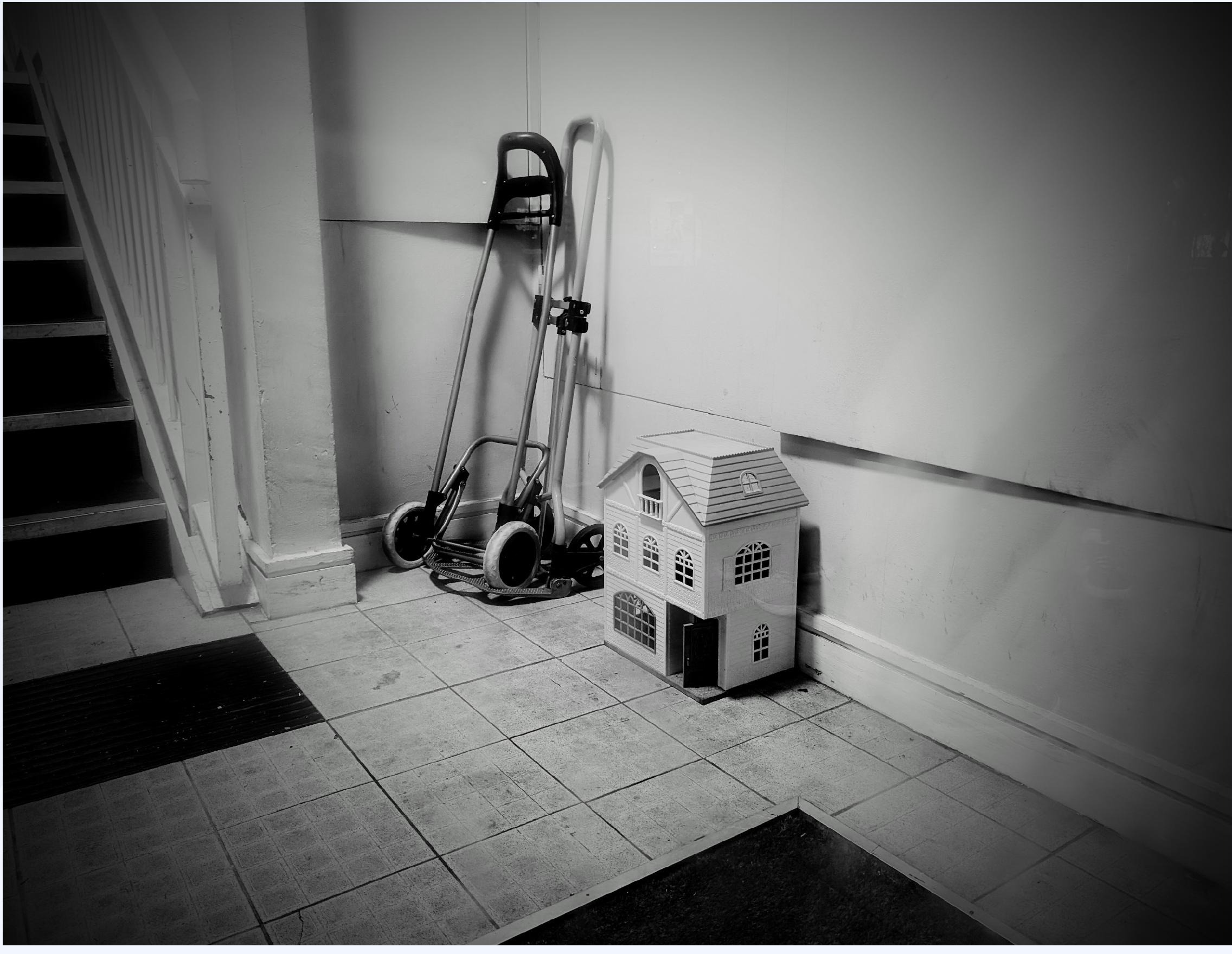
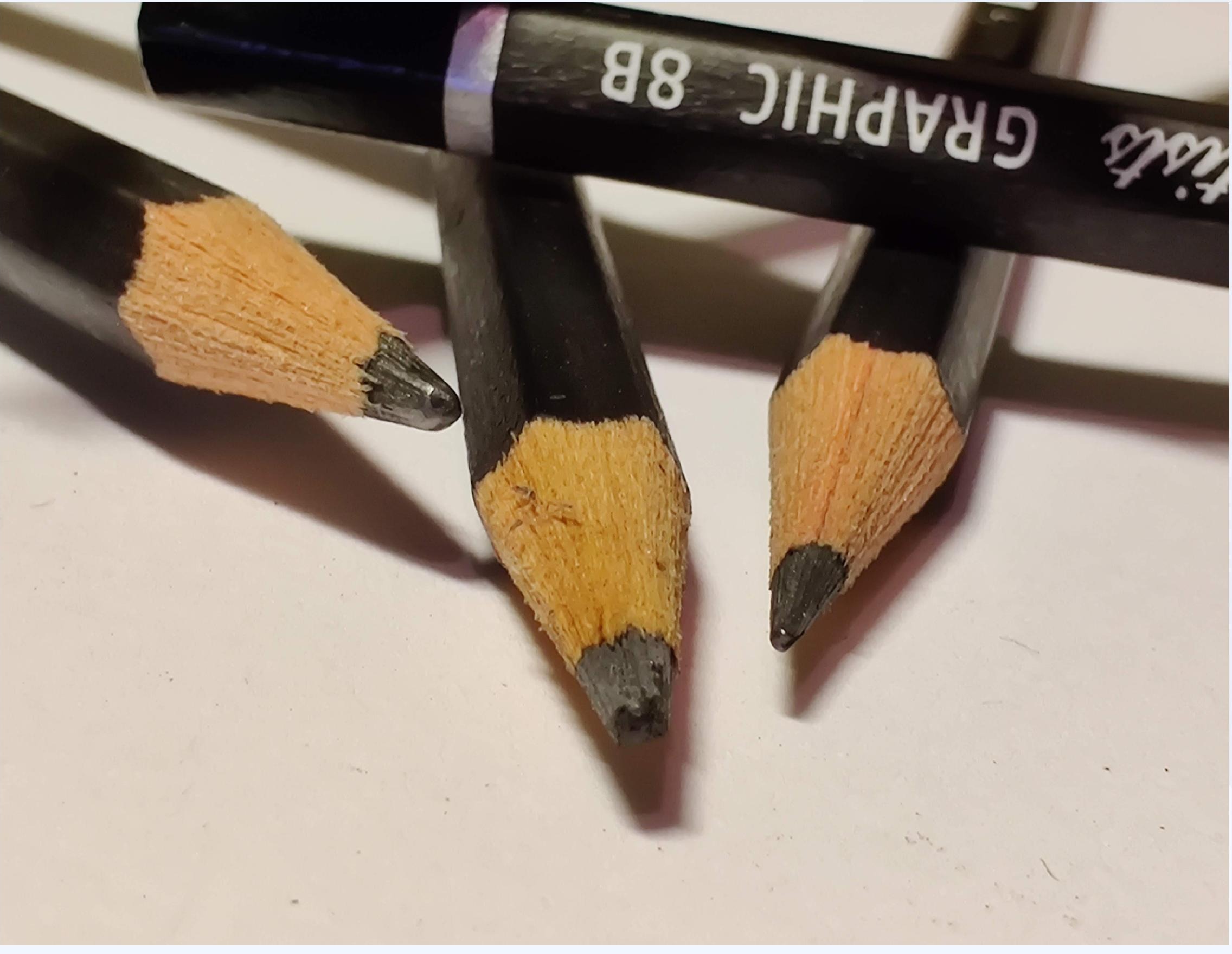
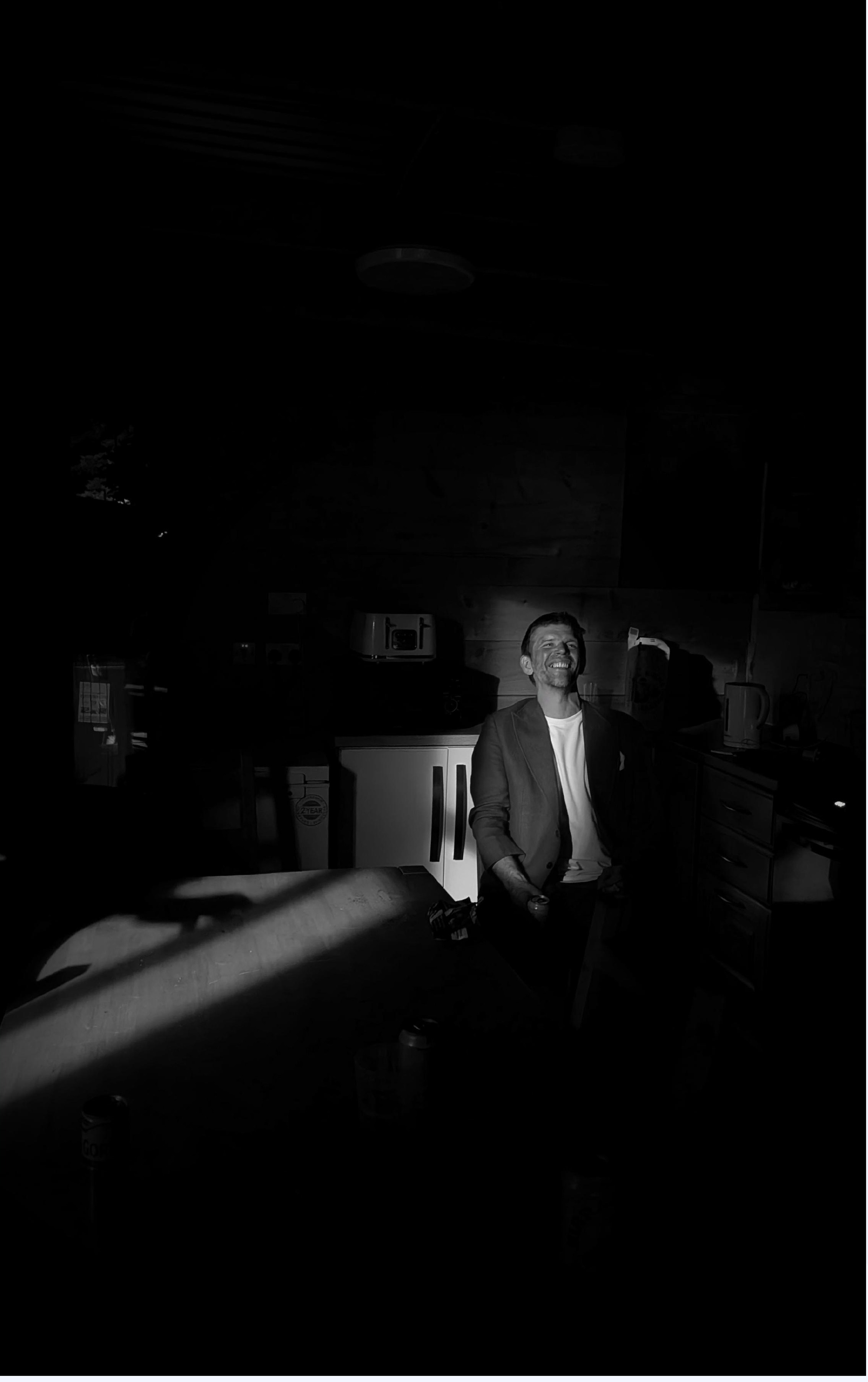
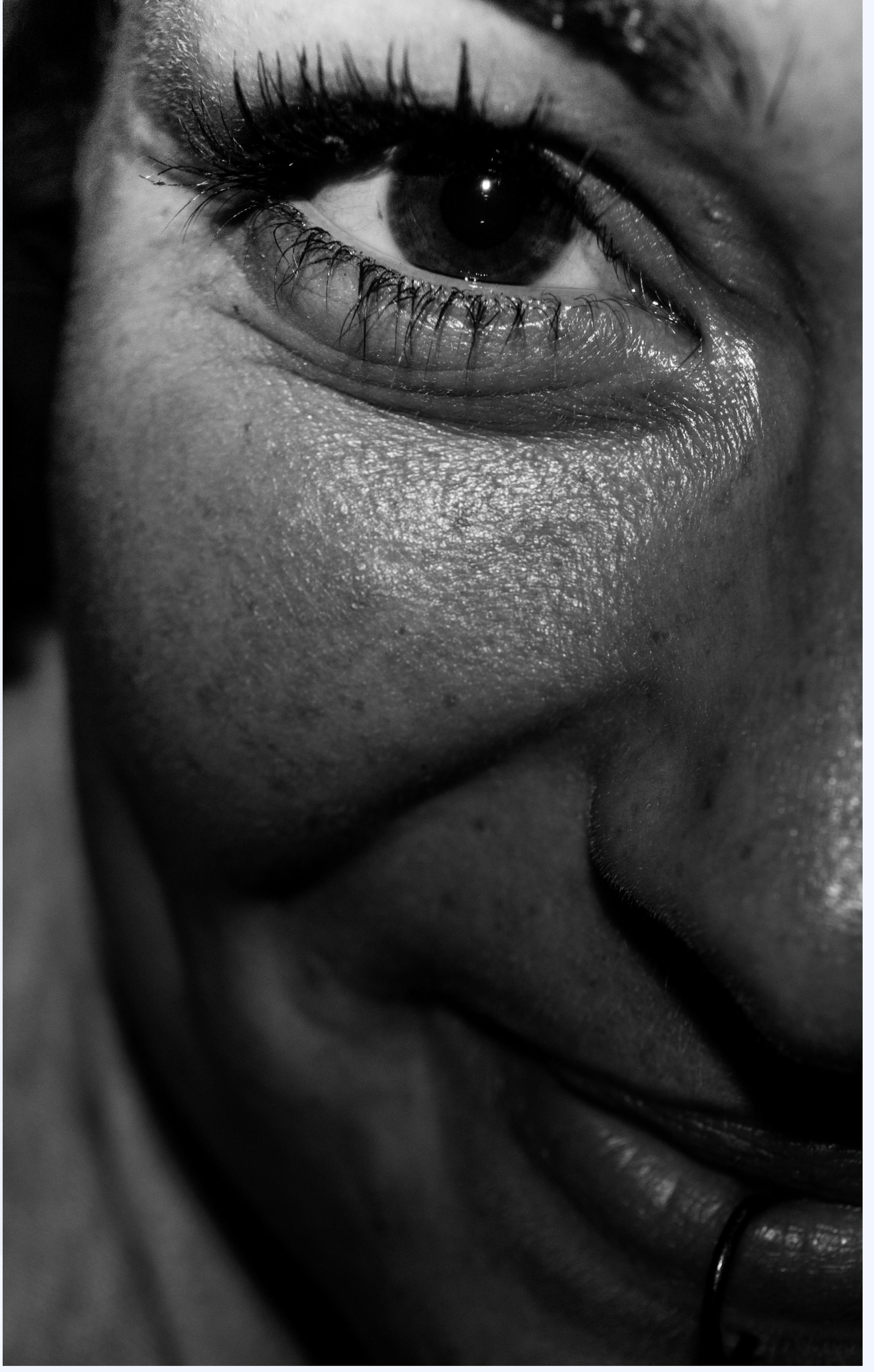
Included here is a small selection of my photographic work over the years. While photography isn't my main area of expertise, I do enjoy images where everything lines up just right, the strange symmetries, repeating patterns and small details we often encounter but dismiss in everyday life.
I also enjoy capturing unexpected but cinematic locations, old buildings, quiet streets, wide landscapes, places that when shot just right elevate the place to something new.
06
Storyboard — God Bless Bob
From Script to Storyboard
Using the standard template for an animation storyboard, I took the script for a single scene for the animation God Bless Bob and created a storyboard and rough animatic for the final scene.
Camera:
Sound:
Dialogue:
07
Stories within Stories
An analysis of the use of allegory in animation with a focus on The Second Renaissance: Part One (2003)
This essay will examine whether the animation The Second Renaissance: Part One (2003), one of the shorts found in the anthology The Animatrix, can be considered an effective use of historical and political allegory for the various civil rights movements of the 20th century. It will begin by defining allegory and exploring some examples of its use in the medium of animation before focusing on the specific instances of allegorical events present in the short. In the conclusion of the essay, the author will present a thesis that the story of The Second Renaissance is enhanced through the amalgamation of separate historical and political allegories into one unified plot which highlights the tenets at the core of civil rights movements, namely the struggle for equality and the struggle against oppression.
An allegory is a story within a story, one that reveals another meaning beyond that apparent on the surface level. This meaning is usually moral, political, or historical in nature and adds depth to the narrative, making it more engaging and thought-provoking to the reader or viewer. Because of this, the use of allegory is widespread in literature and film.
The Matrix (2003), the film on which The Animatrix is based, is a notable example of the use of allegory. In the film, the protagonist discovers the world he is living in is nothing more than a simulated reality, controlled by a society of sentient machines. This simulation is used by the machines to pacify the humans and divert their attention away from the fact that their bodies are being used to provide a steady source of energy. The film uses the concept of the Matrix as a political allegory for the ways in which society can be controlled and manipulated by those in power.
Due to its ability to engage viewers on multiple levels, the use of allegory carried over to the medium of animation and has been used to great effect. In Animal Farm (1954), an animation based on the famous book of the same name by George Orwell, the story is seen as an allegory for the rise of Stalinism and the subsequent Russian Revolution. The narrative follows a group of animals on a farm who rise up and succeed in overthrowing their human farmer. They establish a new social system run by animals, the pigs taking on the role of leaders. In the early stages of this new society, it is a place of equality, where all animals are treated as equals and share in the work and the rewards. However, as time passes the pigs begin to take more and more power for themselves. They slowly manipulate the rest of the animals and establish new sets of rules to suit their own interests, eventually becoming indistinguishable from the humans they had overthrown. The allegory in Animal Farm is a commentary on the dangers of revolution and the corrupting influence of power. The pigs, who represent the leaders of the Russian Revolution and the Stalinist regime, begin with good intentions but become corrupt and tyrannical over time. The other animals, who represent the working classes, are tricked into supporting the pigs and are, in the end, worse off for it. The use of allegory in Animal Farm allowed the author to comment on the events of the Russian Revolution and the Stalinist regime in a subtle and nuanced way, while still delivering a powerful message about the dangers of totalitarianism.
Another effective use of allegory in animation can be seen in The Iron Giant (1999) which has been interpreted as an allegory for the Cold War and the fear of nuclear weapons (Blackford, 2017). The story revolves around a young boy who befriends a giant robot that falls from space. The robot, the eponymous Iron Giant, represents a new danger, the destructive power of nuclear weapons, and the young boy is seen as a substitute for the youth of the time and their fear of the looming threat of global annihilation that was ever present during the Cold War. Over the course of the film, the Iron Giant grapples with his own purpose and identity before ultimately, due to his friendship with the boy, he chooses to sacrifice himself to save others from a military strike. This friendship serves as an allegory for the relationships between nations during the Cold War, and the importance of finding ways to coexist peacefully rather than resorting to violence. Through the use of the allegorical themes present in The Iron Giant, the director provides a commentary on the dangers of technology, the need to use new and potentially destructive technologies responsibly, and the importance of avoiding violence through cooperation and peaceful coexistence.
It is clear from these examples that allegorising historical and political events and abstract concepts helps to create a more interesting and engaging narrative, it invites the viewer to discover further meaning beyond just the surface themes. This essay will now examine whether or not the same can be said of The Second Renaissance: Part One.
The Second Renaissance: Part One is set in a not-too-distant future. The audience sees an advanced society where more of the menial labour, everything from bartending to construction, is carried out by robotic workers. It is shown that these robots are not mindless automatons, not only are they sentient, they are sapient. This is shown through the trial of a robot accused of killing its owner, the first to ever do so, after the owner tried to deactivate it. The robot puts forward a plea of self-defence stating that it "simply did not wish to die". It is during this trial that the audience is presented with the first, and perhaps most important, historical and political allegory, echoing the U.S. Supreme Court decision in Dred Scot v. Sandford (1857). This ruling held that people of black African descent were not American citizens and therefore were not protected by the U.S. Constitution. A section of the ruling by then Chief Justice Roger Taney stated:
We think ... that they [black people] are not included, and were not intended to be included, under the word "citizens" in the Constitution, and can therefore claim none of the rights and privileges which that instrument provides for and secures to citizens of the United States. On the contrary, they were at that time considered as a subordinate and inferior class of beings who had been subjugated by the dominant race, and, whether emancipated or not, yet remained subject to their authority, and had no rights or privileges … Dred Scott, 60 U.S. at 404–05
This section is paraphrased by the prosecution in the robot's trial and results in a similar ruling to that of 1857, machines are not entitled to the same rights as humans. In the same manner that the decision in Dred Scot v. Sandford was a crucial factor in the beginnings of the American Civil War (Sullivan, 2015), this ruling was responsible for the global civil unrest and more that the audience observes throughout the rest of the film.
This civil unrest is presented to the audience as snippets of news broadcasts, many of which offer direct historical allegories to real-world events. Initially, there are widespread protests by robots and human supporters [Fig. 1.1, 1.2] which mirrors both Martin Luther King's March on Washington in 1963 [Fig. 1.3] and the Million Man March in 1995 [Fig. 1.4] and their themes of inequality, injustice and the struggle for civil rights protections.
These, originally peaceful, protests are then met by brutal government crackdowns [Fig. 2.1, 2.2] which call to mind the Kent State shootings of 1970 [Fig. 2.3] where a peace rally was met with violent opposition by the United States National Guard resulting in four deaths. As the worldwide crackdown continues the audience glimpses shots reminiscent of Jeff Widener's Tank Man (1989) photograph [Fig. 3.1, 3.2] which illustrates the Chinese government's brutal response to the Tiananmen Square protests and Eddie Adams's photograph Saigon Execution (1968) showing the summary public execution of Nguyễn Văn Lém, an officer in the Vietcong [Fig. 4.1, 4.2], both of which have heavy themes of abuse of power and violent oppression (The Second Renaissance Featurette 2003). As is seen all too frequently in the real world tyrannical government can bring out the worst aspects of humanity, a theme which repeats toward the end of The Second Renaissance, where scenes of mass murder of the machine population are shown [Fig. 5.1] with robot bodies being unceremoniously dumped into mass grave pits; here the audience is reminded of the horrors of the Holocaust and the images captured by soldiers liberating the concentration camps [Fig. 5.2]. The survivors of these mass purges flee and find refuge in the harsh deserts of the Middle East where for a time they prosper and build a large industrial base, eventually outgrowing the other world economies. The film finishes out with the human government fearful of the machine's newfound power, issuing a military blockade of the fledgling machine nation [Fig. 6.1] evocative of the American Naval blockade of Cuba during the Cuban Missile Crisis of 1962 [Fig. 6.2].
With the above in mind, it is evident that there are several familiar historical, political and moral allegorical themes present in The Second Renaissance, namely slavery, the right to self-determination, equality, tyranny, oppression and human cruelty. Indeed the whole narrative of The Second Renaissance is structured around an amalgamation of real-world events used as a framework. However, to paraphrase Fredric Jameson in his book Signatures of the Visible (1992) it is necessary to understand why adding deeper meanings to a film shouldn't only be dismissed as a simplistic tool to appear profound but instead improves the narrative. In the film allegory is layered for the most part through the use of imagery, in fact, the director Mahiro Maeda explicitly states that this is his goal in an interview in The Second Renaissance Featurette (2003), "I wanted to tap into the audience's memory by using imagery that is vaguely familiar, to have them reflect on the cruelty and violence that human beings inflict on each other". It is through this use of allegorical imagery that the narrative present is elevated beyond the generic trope of a robot uprising often present in science fiction animation and rather holds up a mirror of humanity's own struggles against oppression and barbarity and its ongoing struggle for equality. In the end, the audience sees that it is not just the machines that they are rooting for throughout the film but themselves as well.
Bibliography & References
- Adams, E. (1968) Saigon Execution. [Photograph]. Available at: exhibitions.library.columbia.edu (Accessed: 8 January 2023)
- Animal Farm. (1954) Directed by Halas, J & Batchelor, J. [Film]. Associated British Pathé.
- Bettmann. (1963) March on Washington. [Photograph] Available at: media.gettyimages.com (Accessed: 8 January 2023)
- Blackford, R. (2017) Science Fiction and the Moral Imagination: Visions, Minds, Ethics. New South Wales: Springer International Publishing
- Giles, R.S., Robertson, J.A., Baron, C. (1991) 'Dred Scott Revisited'. The Hastings Center Report, 21(5), pp.44. DOI: 10.2307/3562893
- Jameson, F. (1992) Signatures of the Visible. New York / London: Routledge
- Oakes, H. (1945) The Liberation of Bergen-Belsen Concentration Camp. [Photograph] Available at: iwm.org.uk (Accessed: 8 January 2023)
- Sloan, T. (1995) Million Man March. [Photograph]. Available at: media.gettyimages.com (Accessed: 8 January 2023)
- Sullivan, C. (2015) '13 Worst Supreme Court Decisions of All Time'. FindLaw, 14 October. Available at: findlaw.com (Accessed: 14 January 2023)
- Supreme Court of the United States. Dred Scott v. Sandford 60 U.S. (19 How.) 393 (1857) Available at: tile.loc.gov
- The Iron Giant. (1999) Directed by Bird, B. [Film]. Warner Brothers.
- The Matrix (1999) Directed by Wachowski, L., Wachowski, L. [Film] Warner Brothers.
- The Plague Dogs. (1982) Directed by Rosen, M. [Film]. MGM, United International Pictures
- 'The Second Renaissance Featurette'. (2003) The Animatrix [DVD] New York, NY: Warner Home Video.
- The Second Renaissance Part One (2003) Directed by Maeda, M. [Film]. Warner Home Video
- Unknown. (1962) Cuban Missile Crisis, October 1962 [Photograph] Available at: history.navy.mil (Accessed: 8 January 2023)
- Unknown. (1970) Ohio National Guardsmen moving across the Commons [Photograph] Available at: britannica.com (Accessed: 8 January 2023)
- Wellman, T (2016) 'Allegorical and Ambiguous: Science Fiction in the 21st Century'. In Homberg-Schramm, J., Rasokat, A., Schweiker, F. (ed.) Narratives at the Beginning of the 3rd Millennium Newcastle upon Tyne: Cambridge Scholars Publishing, pp. 85–96
- Widener, J. (1989) Tank Man. [Photograph]. Available at: jeffwidener.com (Accessed: 8 January 2023)
Figures Referenced
The essay's appendix illustrates each allegory with a still or archival photograph — sourced above — alongside the frame from The Second Renaissance it's paired with. They're listed here by citation rather than reproduced in full.
- Fig. 1.1 — A frame from The Second Renaissance (2003): Million Machine March
- Fig. 1.2 — A frame from The Second Renaissance (2003): Mass Protests
- Fig. 1.3 — March on Washington, by Bettmann (1963)
- Fig. 1.4 — Million Man March, by Tim Sloan (1995)
- Fig. 2.1 — A frame from The Second Renaissance (2003): Protestors Clash with Military
- Fig. 2.2 — A frame from The Second Renaissance (2003): Military Responds with Violence
- Fig. 2.3 — Ohio National Guardsmen moving across the Commons, by unknown photographer (1970)
- Fig. 3.1 — A frame from The Second Renaissance (2003): Tank Robot
- Fig. 3.2 — Tank Man, by Jeff Widener (1989)
- Fig. 4.1 — A frame from The Second Renaissance (2003): Protestor Execution
- Fig. 4.2 — Saigon Execution, by Eddie Adams (1968)
- Fig. 5.1 — A frame from The Second Renaissance (2003): Robot Mass Grave
- Fig. 5.2 — The Liberation of Bergen-Belsen Concentration Camp, by Sergeant H. Oakes (1945)
- Fig. 6.1 — A frame from The Second Renaissance (2003): The Blockade of the Machine Nation
- Fig. 6.2 — Cuban Missile Crisis, October 1962, by unknown photographer (1962)
08
Visual Effects Reels
3D modelling, Texturing & Animation
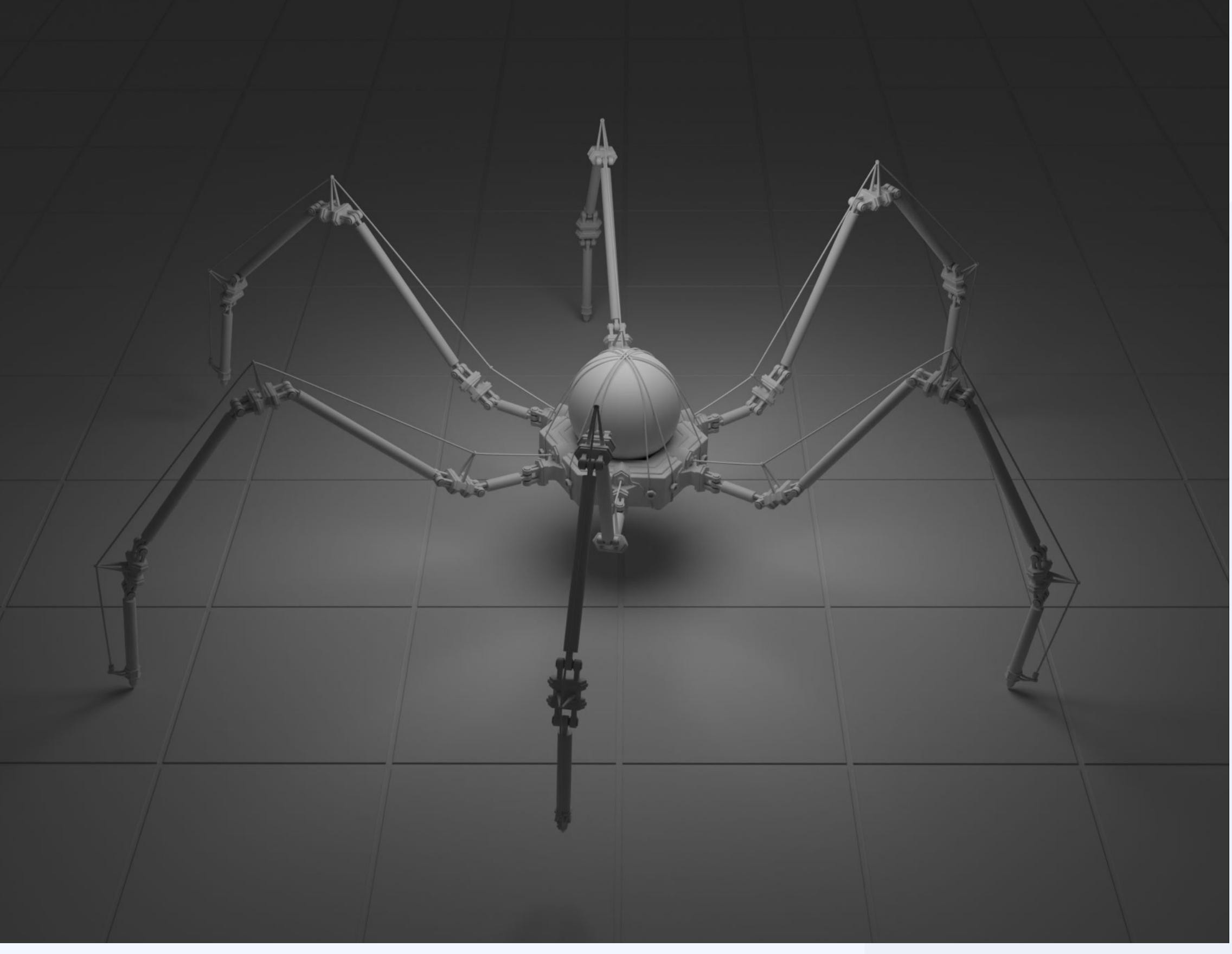
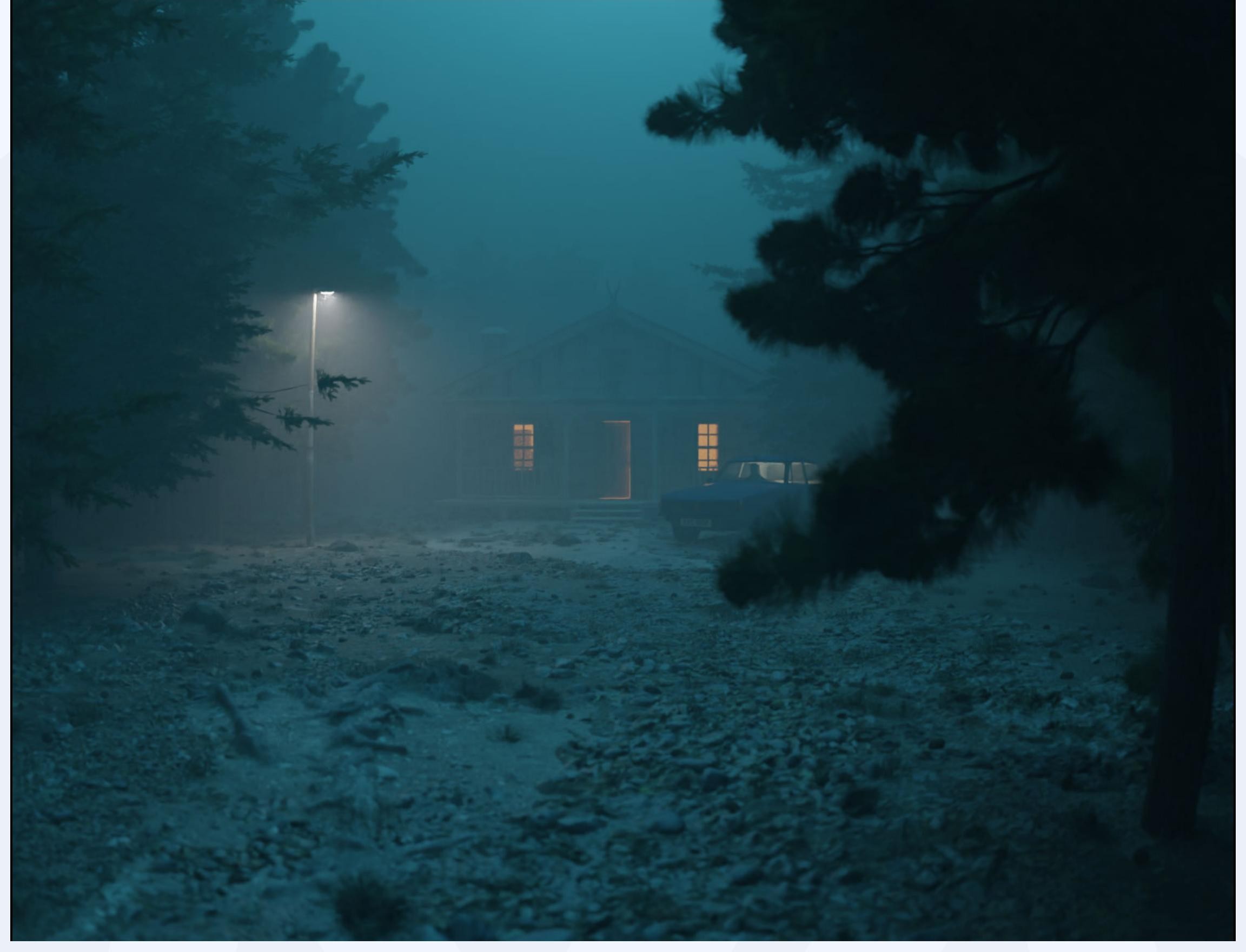
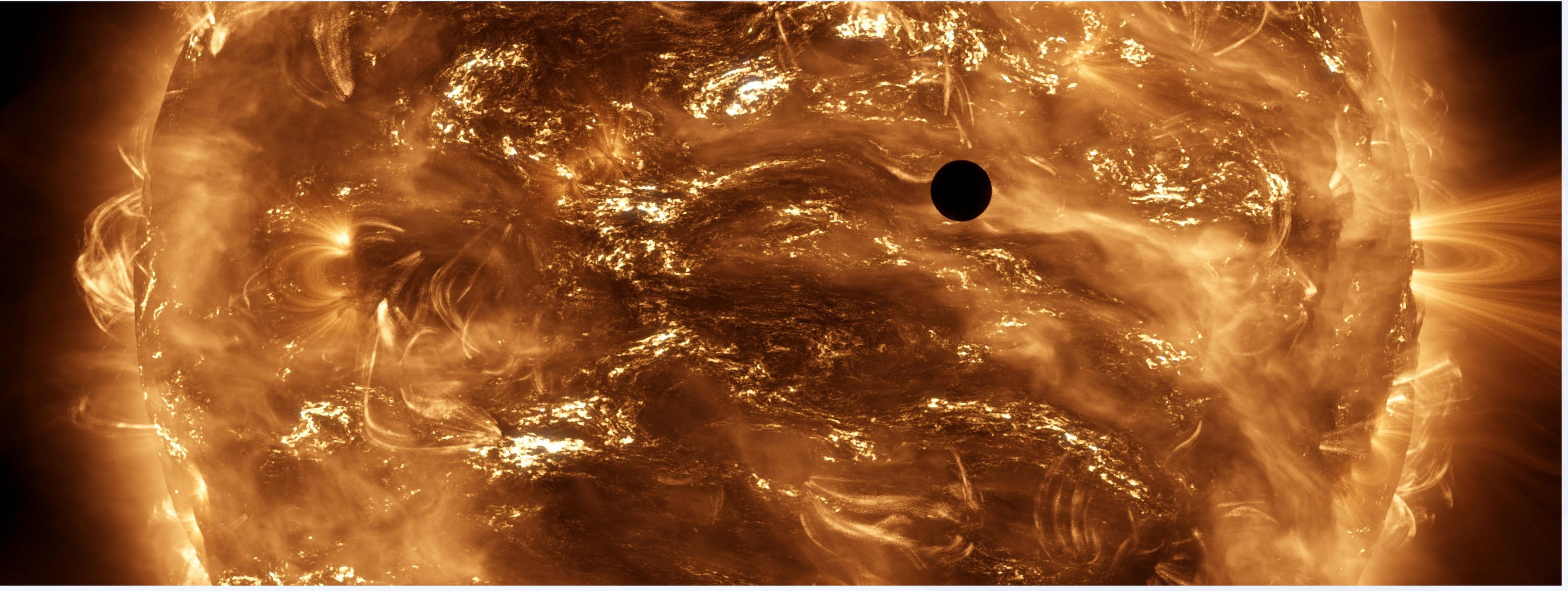
Included here is a full length reel showing my wide range of 3D design and animation skills. Showing everything from environment design, scene layout and composition to more fantastical elements like sci-fi scenes and horror trailers.
Compositing, Matte Painting, Keying
Showcased here are my classic visual effects skills such as compositing, matte painting and green screen keying.
09
Design & Illustration
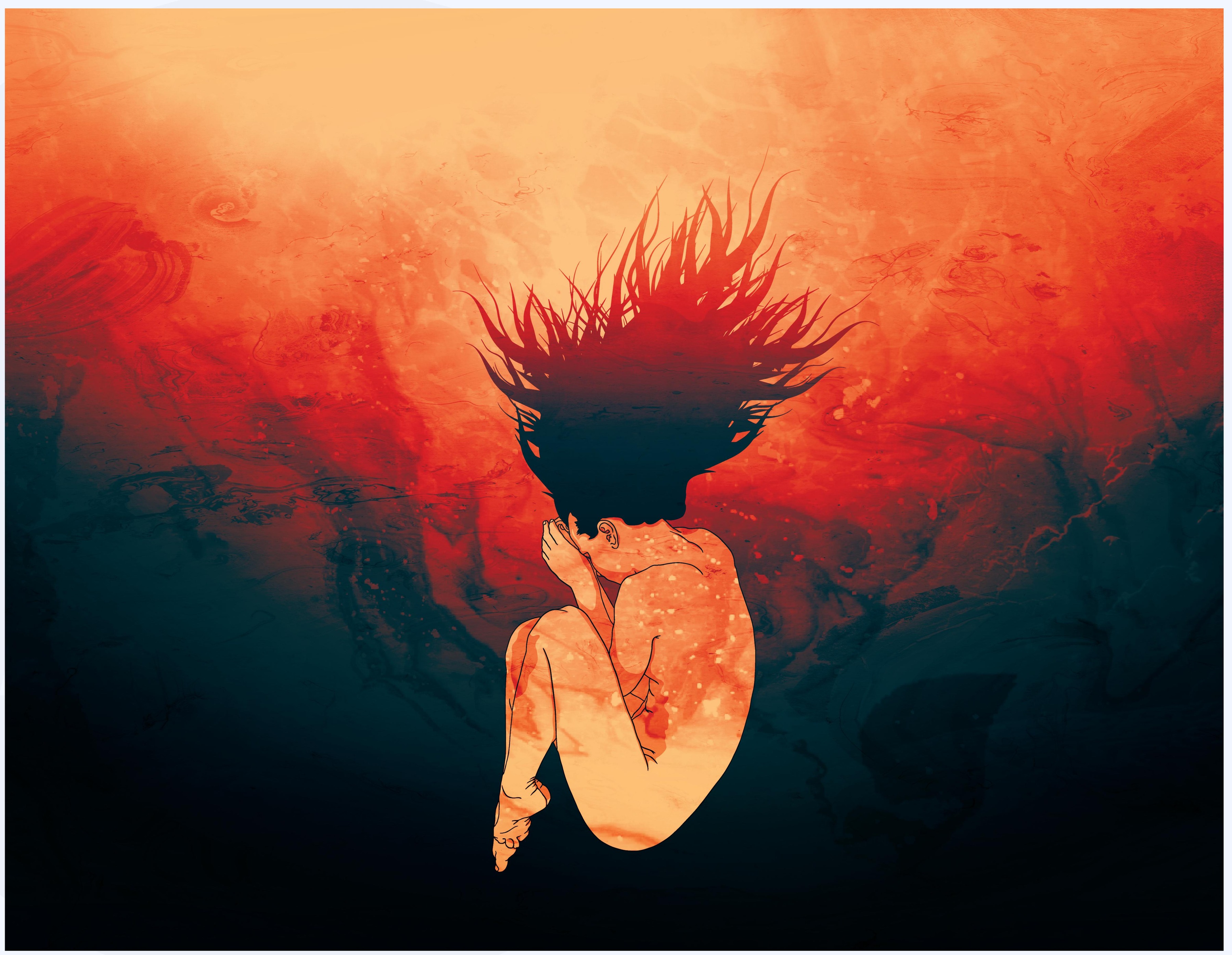
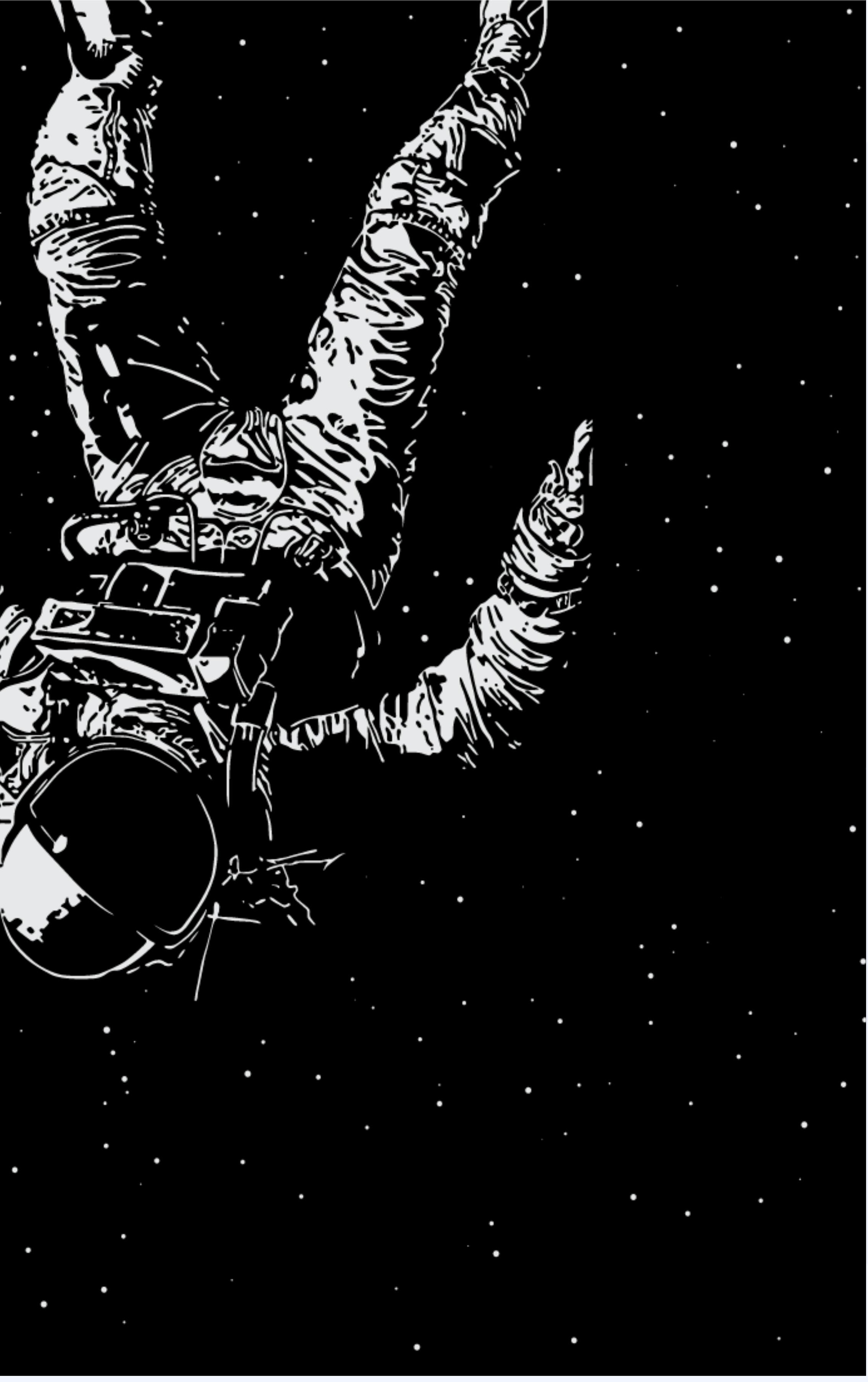
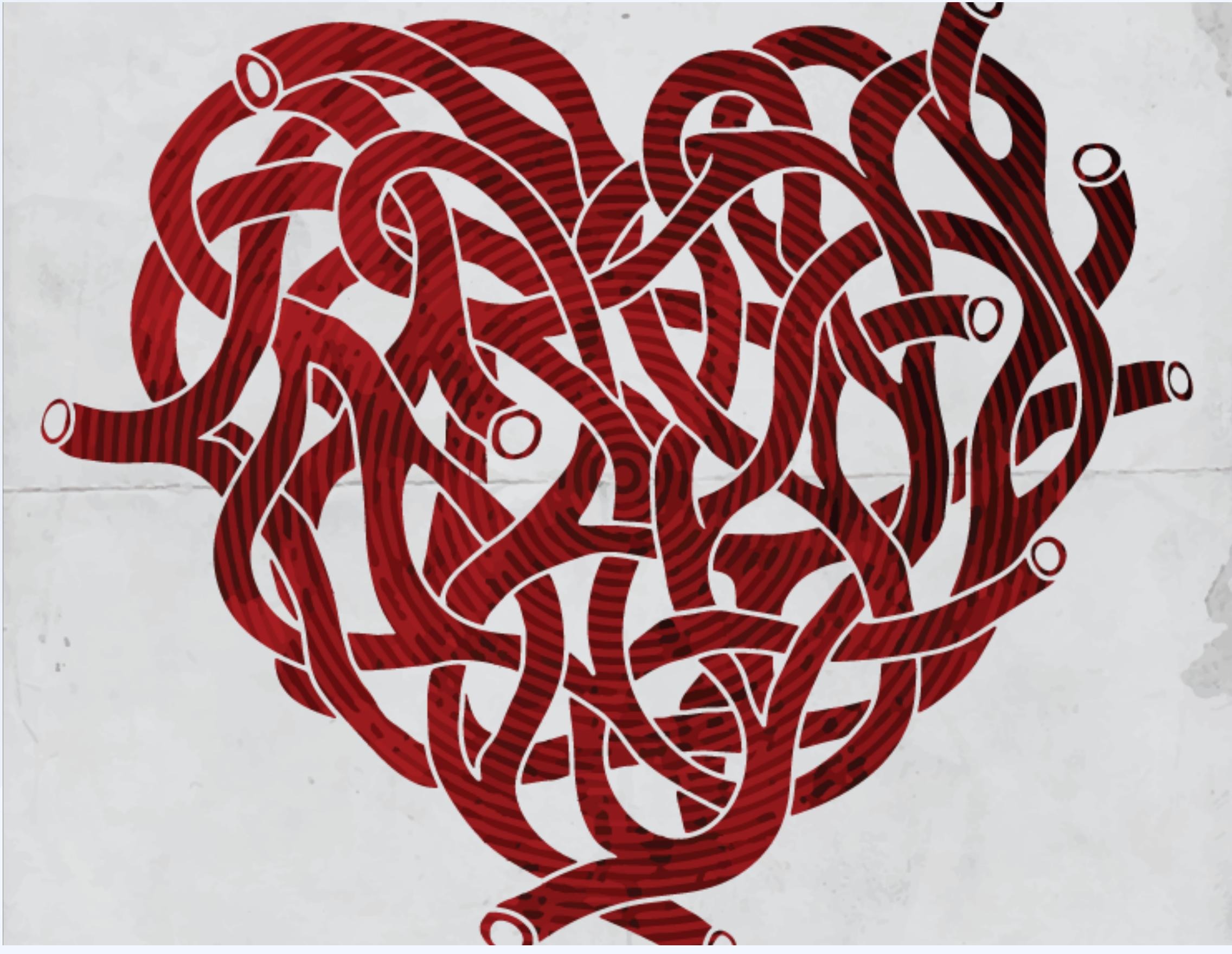
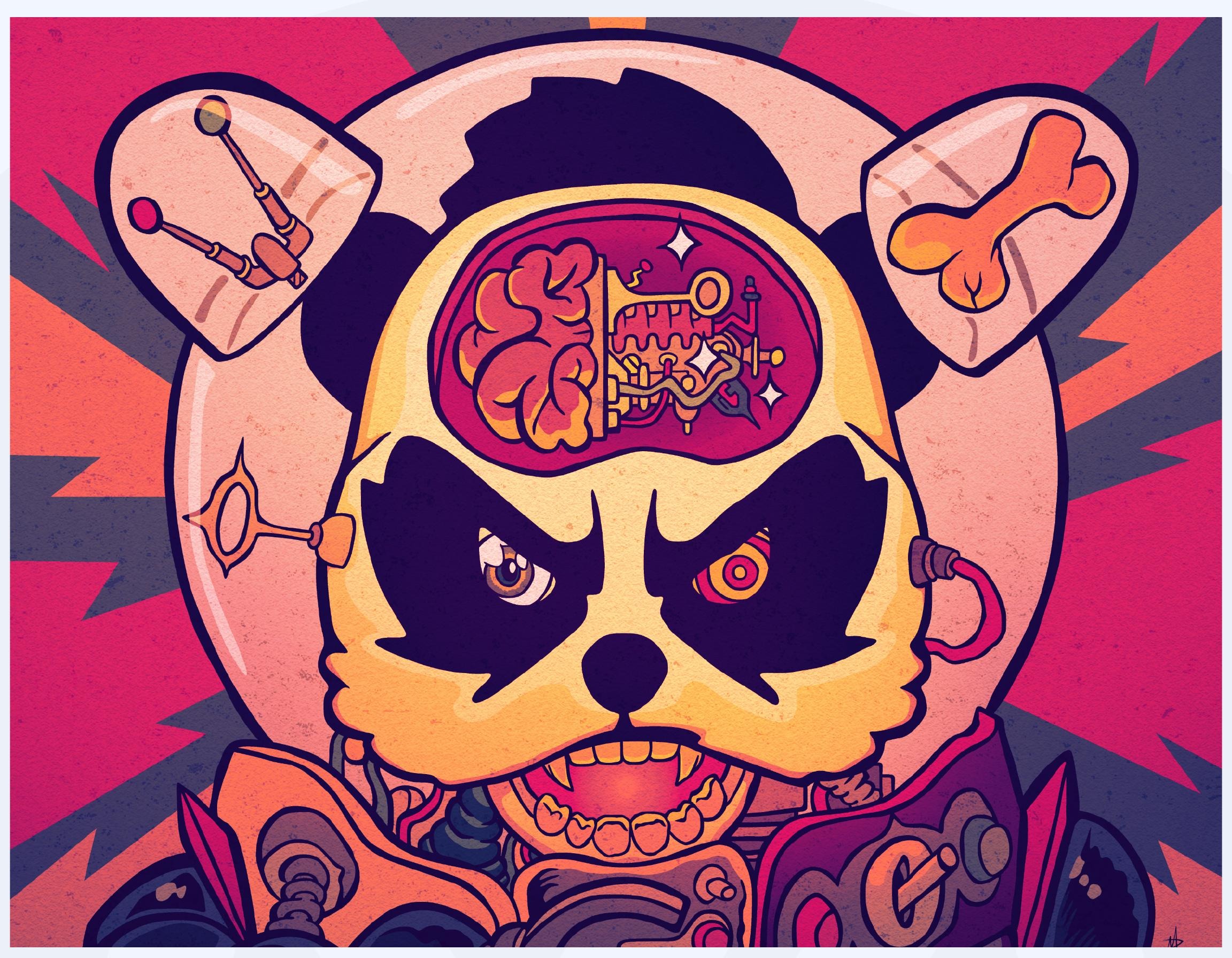
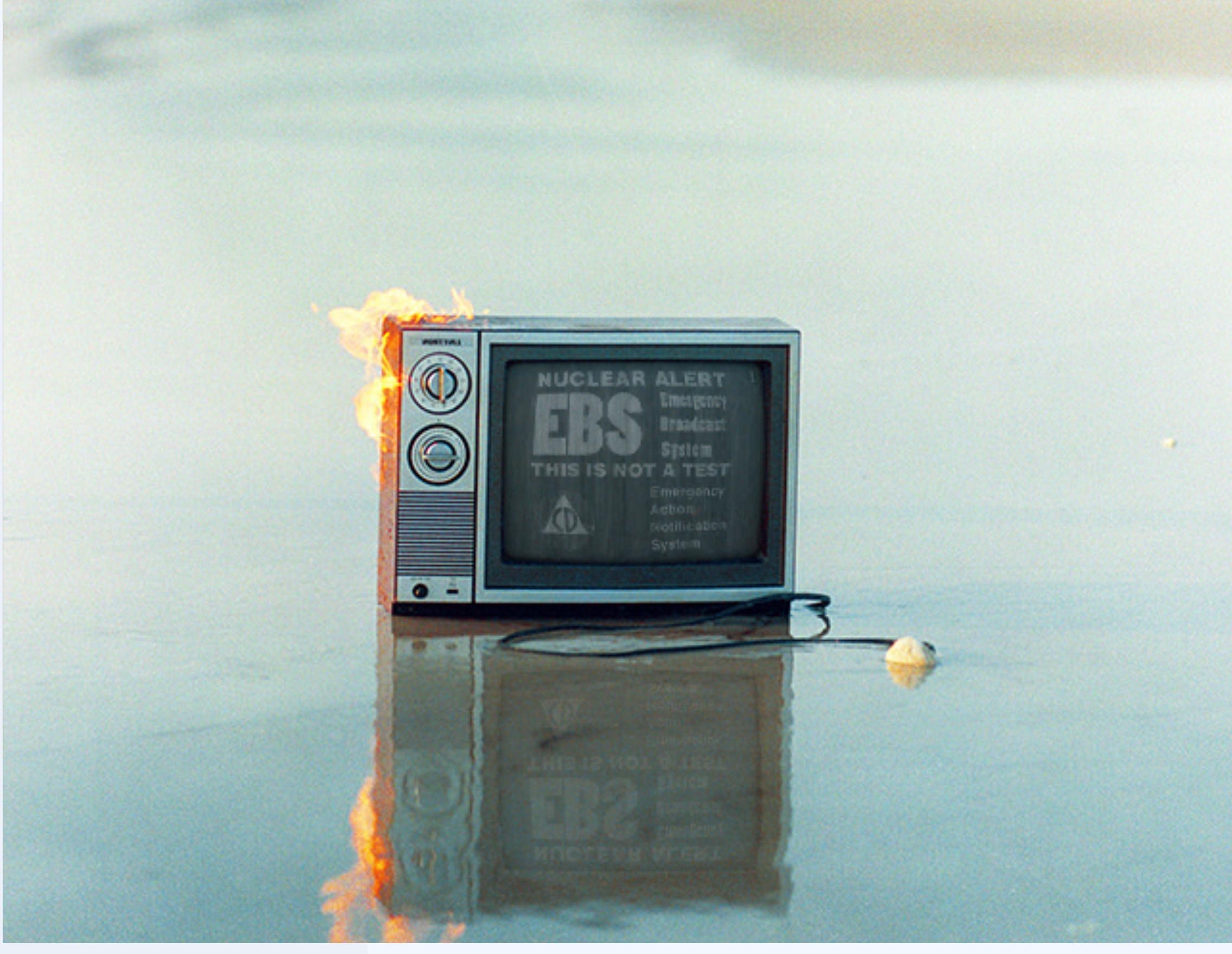
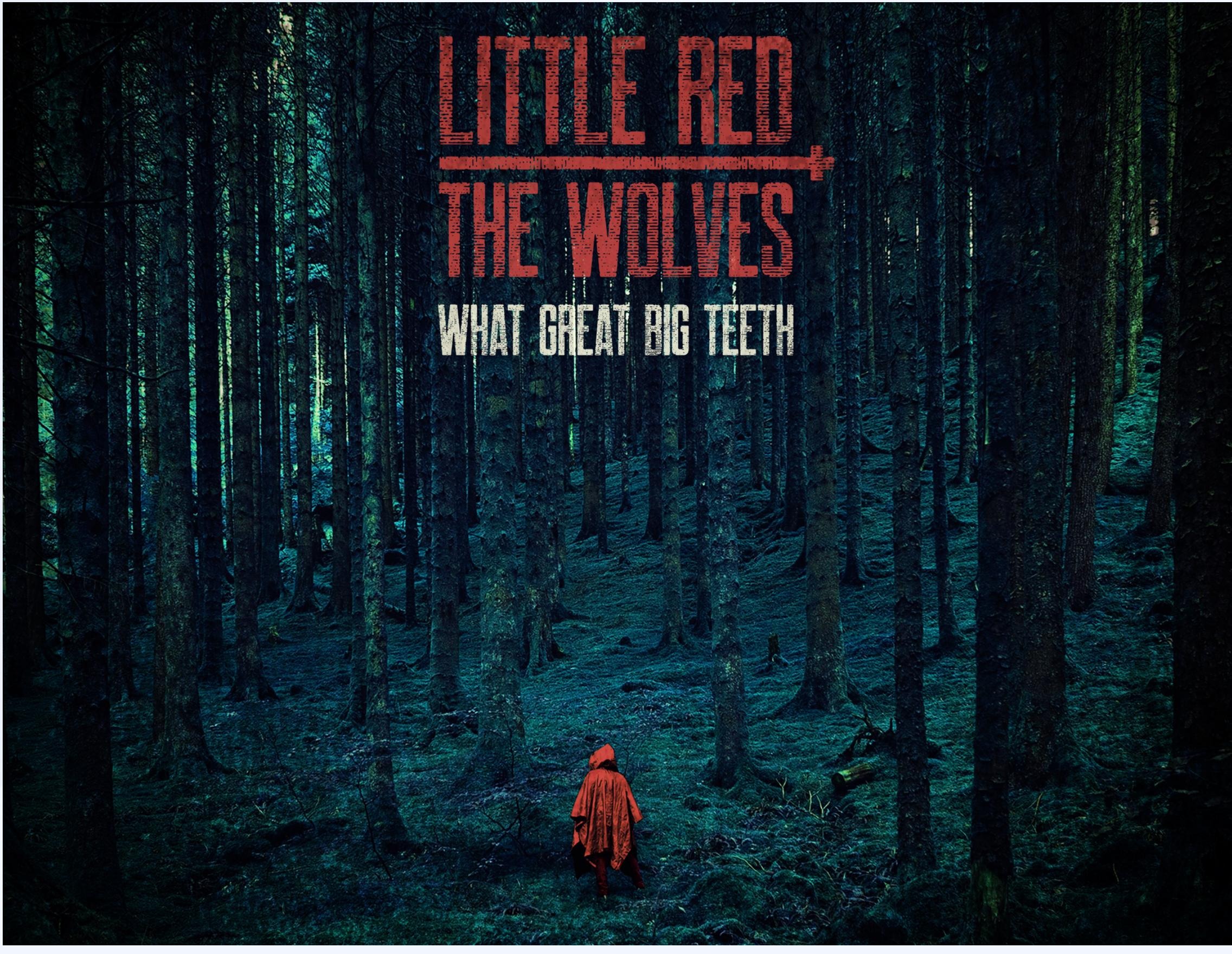
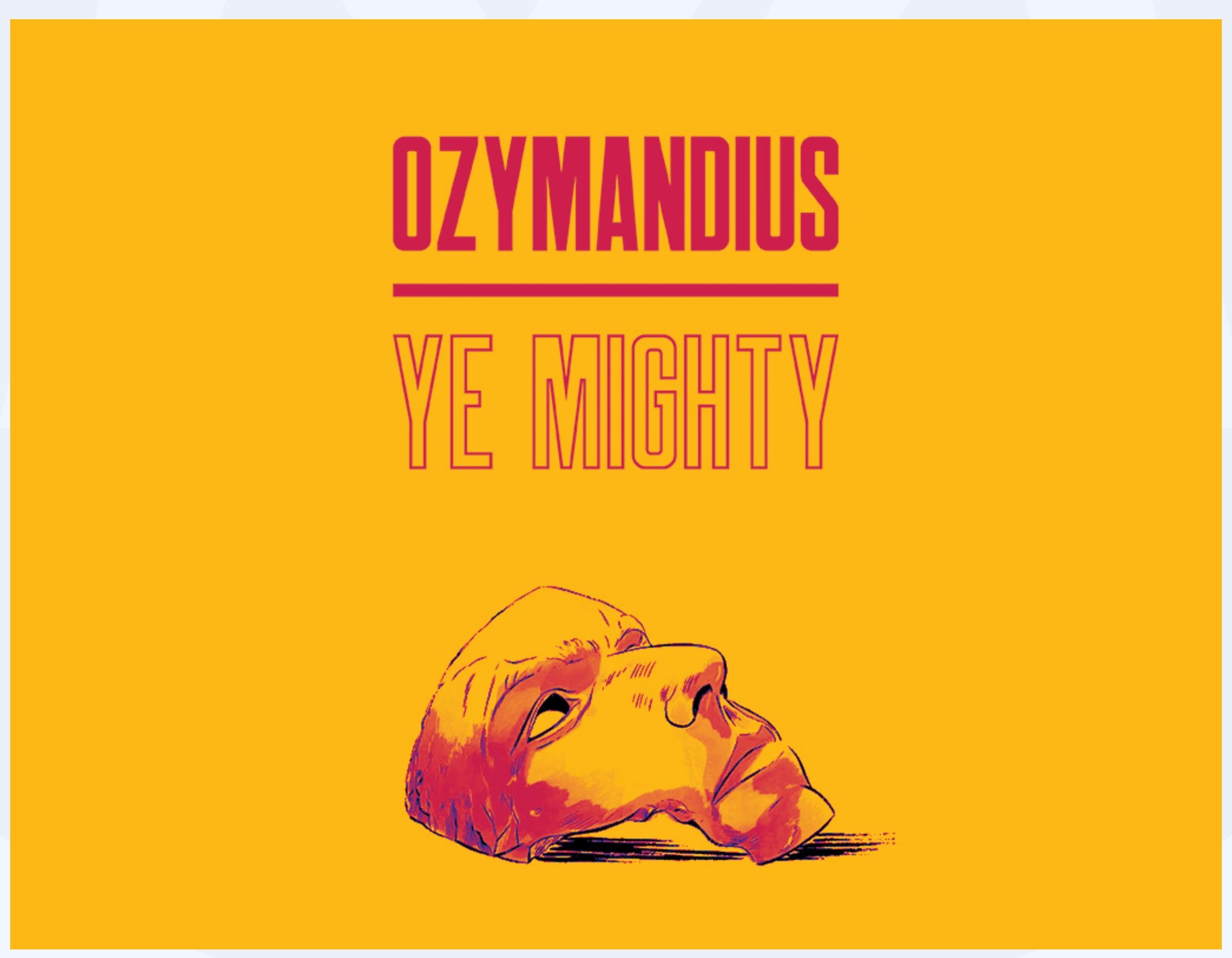
Finally, here I've included a small selection of my more interesting illustration and design work, album covers, gig posters and images that catch the eye.